
Do Parents Know? – Create Home Space Help Your Child Comprehensive Development

In order for a plant to grow healthy, it certainly needs to be cared in the most appropriate and optimal environment. Children too, in order to be stable in the future, they need to be nurtured in the right environment. Understanding this, many families always want to invest in their children’s learning space at home to be more optimal, helping them have a comfortable and most suitable environment to grow up.

So what is the best space for your child? Let’s discover here.
Benefits of a suitable environment for children

Many research on children around the world have proven that children living in a good environment will have more comprehensive physical and mental development. For example, a living environment close to nature creates conditions for children to increase physical activity, reduce eye diseases, obesity, respiratory or mental disorders. This is the reason motivating us to build Botanique Campus – a green school with open space and close to nature.

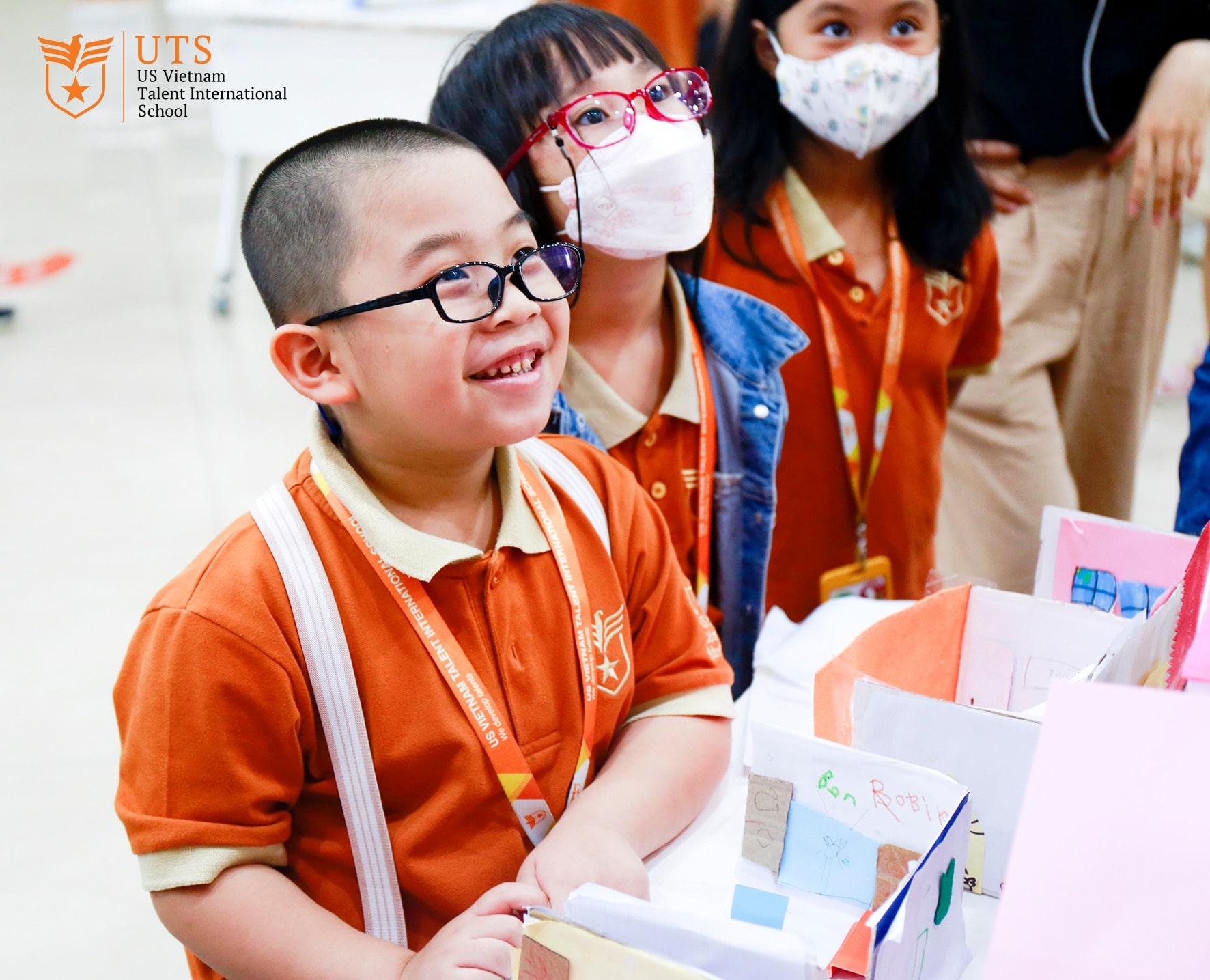
Besides, the open living space with experiential activities is the premise to promote the intellectual development of children. Limiting exposure to electronic devices and instead having parents and children experience practical activities in art or scientific research will help children develop creativity and flexible thinking.
So what is a suitable environment? 

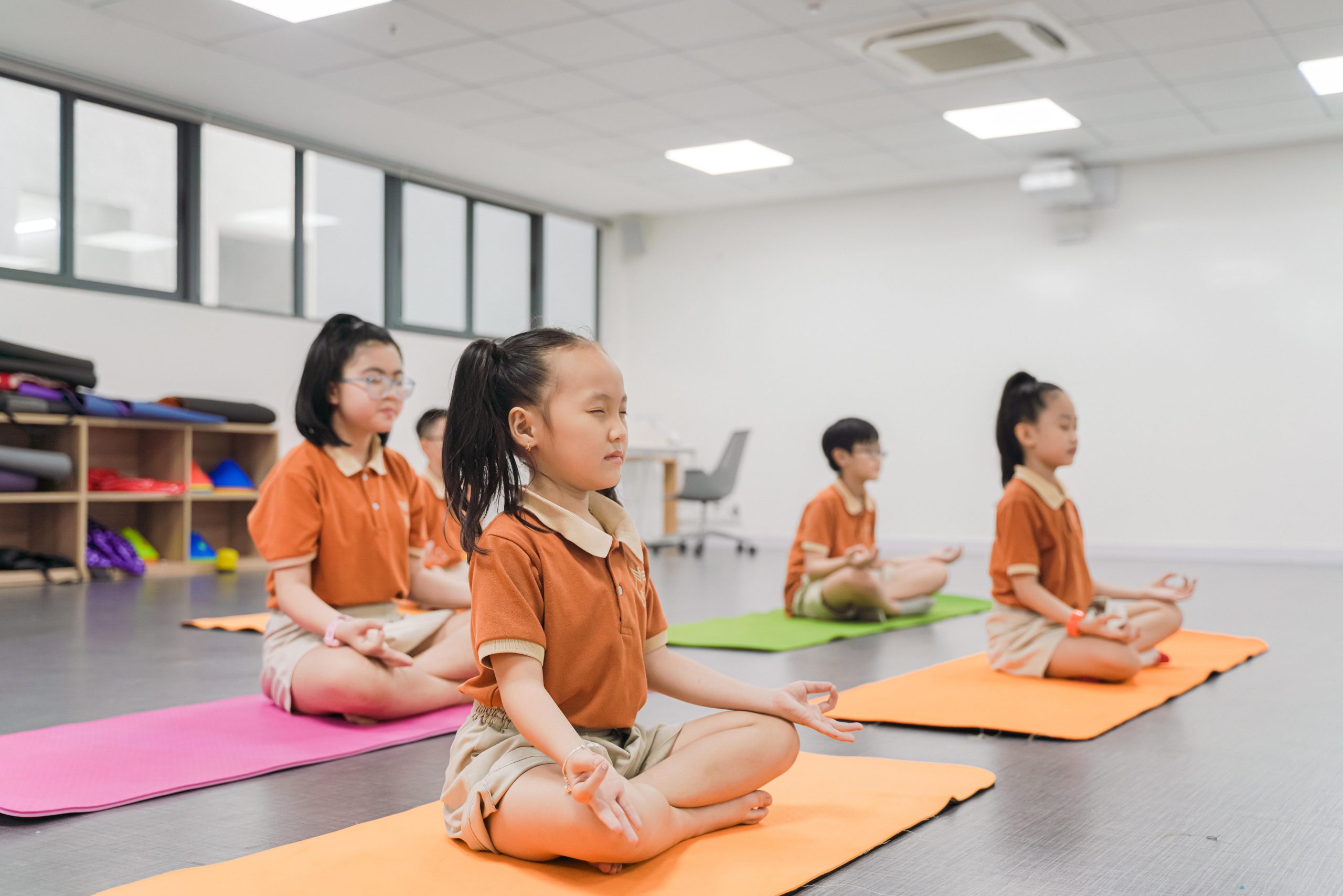
Here are six important environmental factors that affect a child’s growth:

1. Ensure security and safety

Children’s nature is curious, they like to discover new things, so sometimes just because a few minutes of parents’ neglect, there will be situations that affect the safety of their children. Therefore, parents should choose apartments or houses with CCTV cameras, design infrastructure to ensure rescue, emergency exits, fire prevention, etc. to help quickly handle unexpected incidents that occur. . Notes on security and safety will never be superfluous so that parents can rest assured to take care and raise their children in the best conditions.

2. Civilized and well-educated population

In school age, children often “imitate” adults from behavior to words. Therefore, living in an environment with civilized and highly educated neighbors helps children form good personalities, promote curiosity and explore life. In particular, the ability to communicate, connect with people around and form a language system will be more complete than those of you living in places with less civilized and unpolite neighbors.

3. Clean and fresh green environment

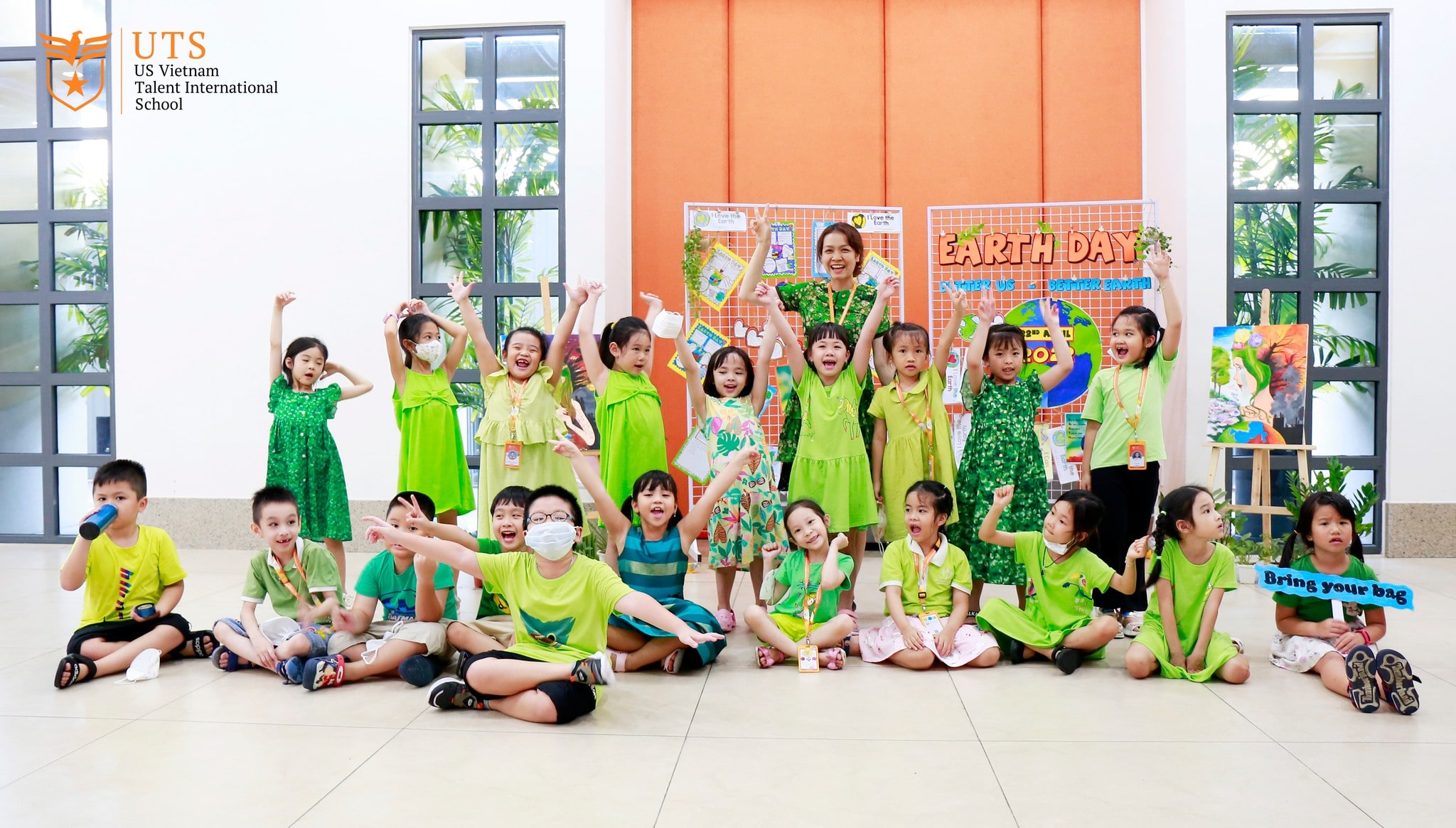
According to an article published on the European Commission’s website in 2015, children exposed to green, healthy environments have better cognitive and behavioral abilities, on average improving their ability to write by about 5%. memory and a 1% reduction in poor concentration. Therefore, parents need to pay attention to creating and keeping the indoor space cool and clean, regularly cleaning the indoor areas to limit bacteria to enhance resistance, limit diseases, At the same time help develop children’s creativity and thinking ability.
4. Near educational facilities such as schools, centers

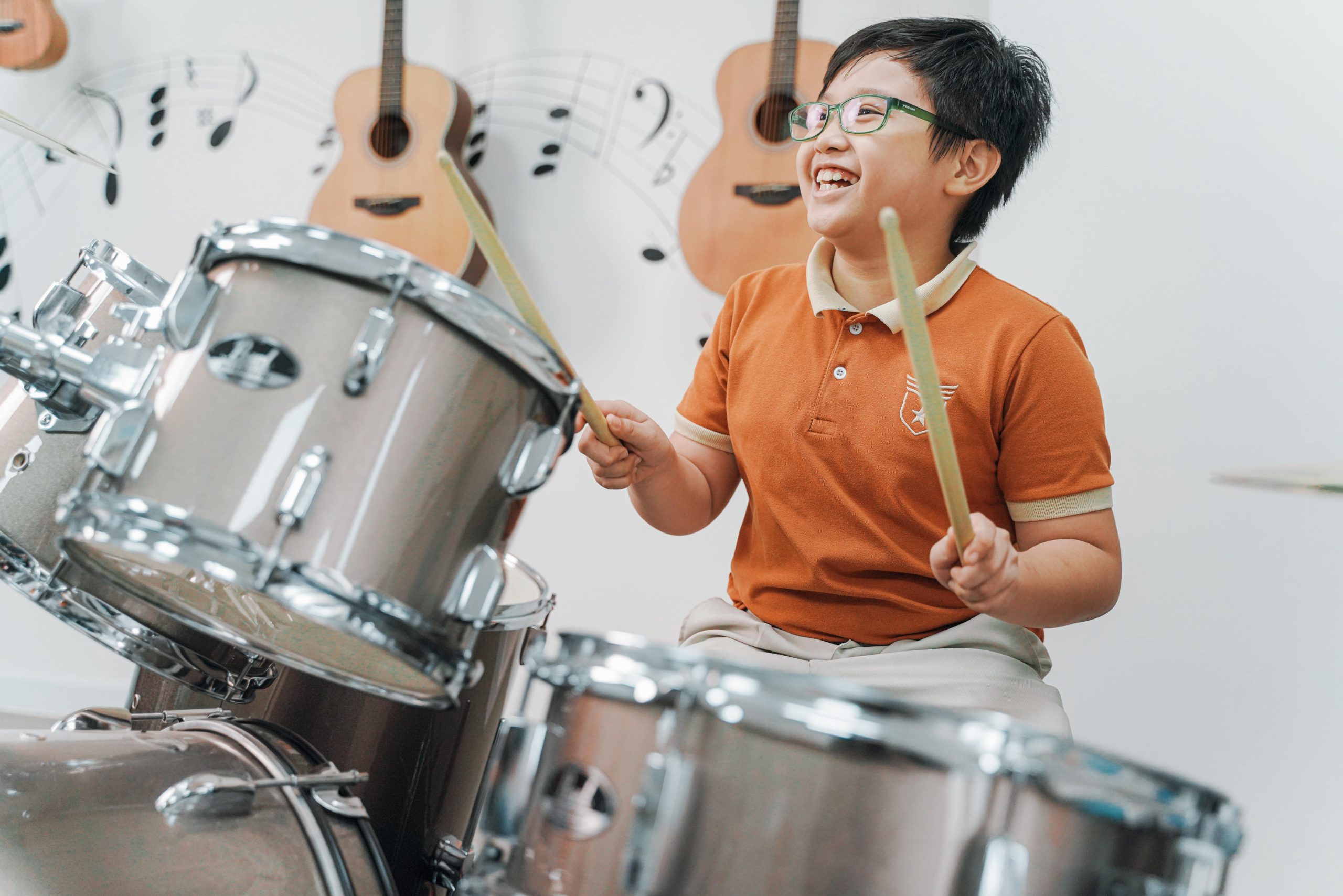
Letting your children study or practice at skill development centers such as drawing classes, music classes, etc. Will give them the opportunity to develop their talents and participate in a variety of useful and rewarding activities instead of spending time with their children. phone screen time. In addition, children can also learn to be independent when walking from home to school to increase life experiences.

5. Create an open space, stimulate your child’s imagination

Letting children live in an environment with open space is a way to encourage creative thinking of children. Parents can design a colorful space for their children, add a variety of books or intellectual toys such as lego, coloring pictures, puzzles, etc. These spaces not only help children have healthy entertainment. , limit electronic devices that your child will practice patience and thinking, thinking is also sharper and more creative.

6. Give your child their own space

Children’s private space is always a “headache” for parents, because children always need their own privacy, but parents still need to know what their children are doing, who they are making friends with and promptly correct when your child does something wrong. This will lead to unnecessary conflicts that make children more and more distant and afraid to share with parents, parents will also find it difficult to grasp their children’s activities.

The key is respect your child and listen to his or her opinion. Parents can gently knock on the door when entering the room or clearly communicate with their children before not allowing them to use the phone too much… When the child feels respected, the child will be close to you and ready. answer everything parents want to know. Giving your child a space of their own will give them the freedom to grow up, develop their individuality and freely express their individuality.

Conclusion
For children to be fully grown up, a reasonable living space is indispensable. Living space does not have to be too modern and comfortable, depending on the circumstances of each family, there will be a different ideal space. Living in a comfortable, loved space will help your child realize the right values, develop comprehensively and he will grow up in his own way.
Tin tức khác
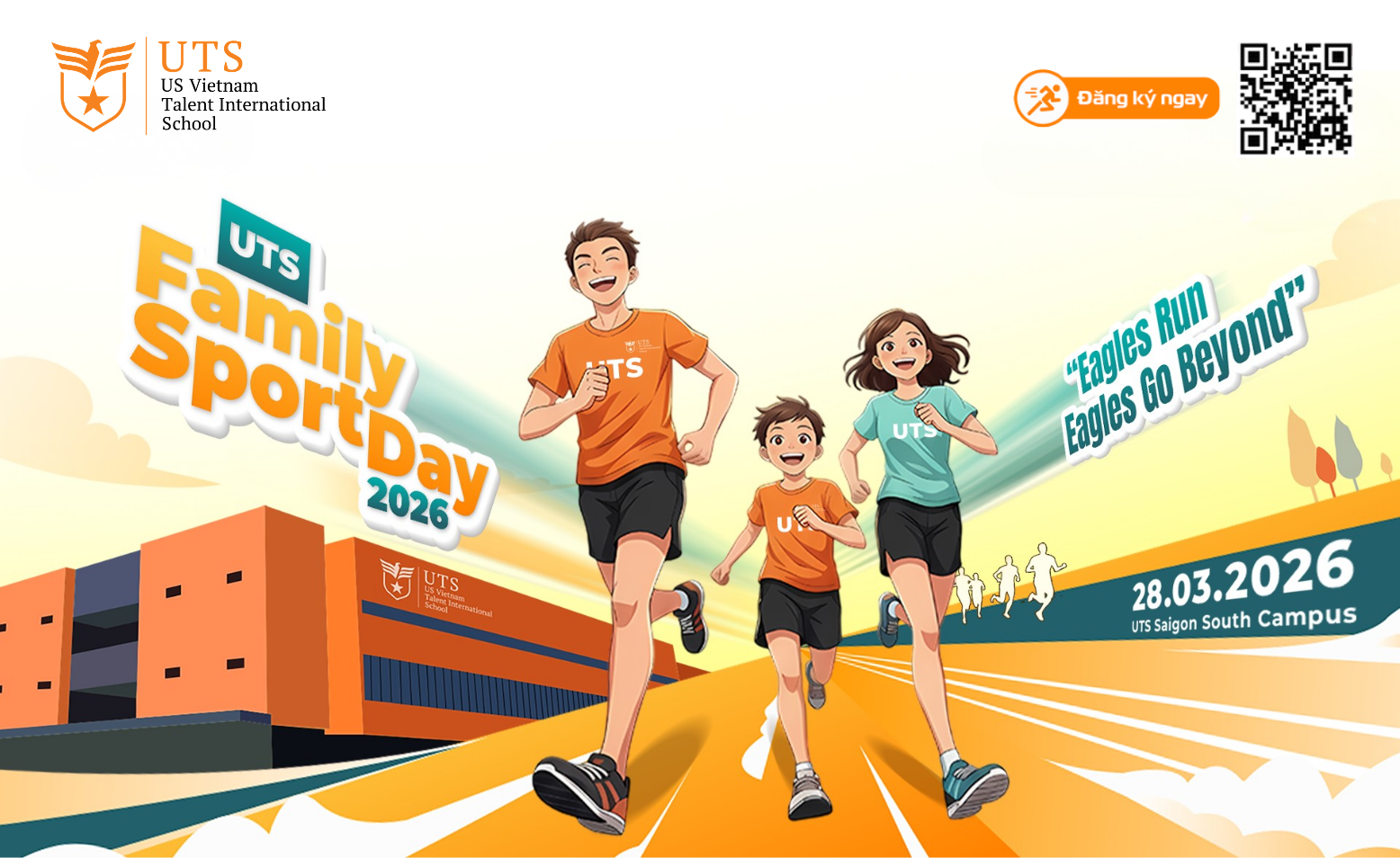
UTS Family Sport Day 2026 “Eagles Run, Eagles Go Beyond” officially returns
News & Events

UTS Family Sport Day 2026 “Eagles Run, Eagles Go Beyond” officially returns

The annual UTS Family Sport Day 2026 will bring a vibrant celebration where families can run together and connect with the UTS community.
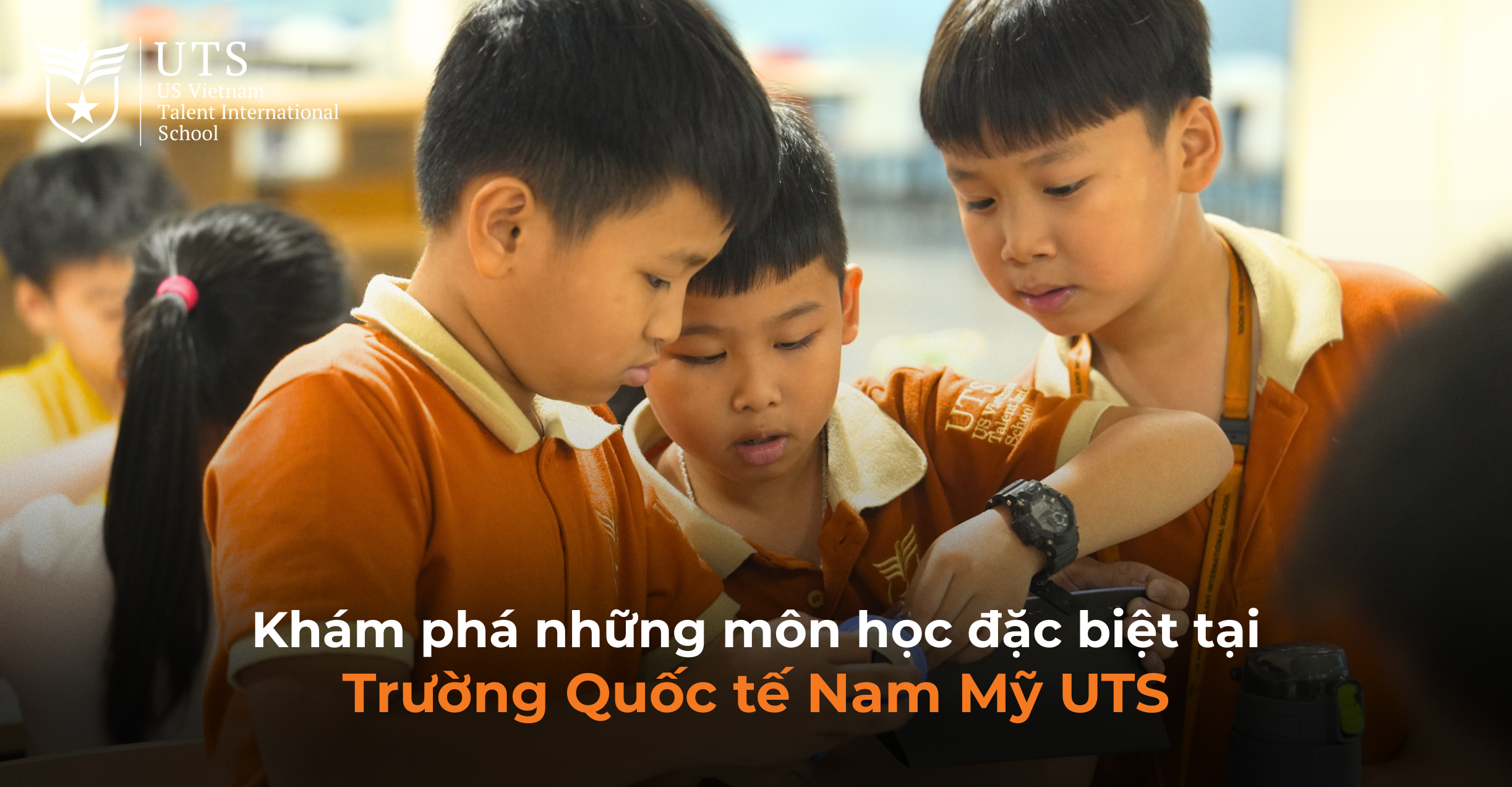
Khám phá những môn học đặc biệt tại Trường Quốc tế Nam Mỹ UTS và lợi ích vượt trội cho học sinh
News & Events

Khám phá những môn học đặc biệt tại Trường Quốc tế Nam Mỹ UTS và lợi ích vượt trội cho học sinh

At US Vietnam Talent International School (UTS), we proudly offer a holistic education program where each student is nurtured to develop both academically and in life skills. Distinctive subjects such as Well-being, Global Citizenship, Performing Arts,…. are key highlights that set UTS apart, rarely found in other bilingual schools but effectively integrated into our curriculum. This article provides an overview of these special subjects, helping parents better understand the value UTS brings to their child’s comprehensive development journey. About UTS – US Vietnam Talent International School Overview UTS is a member of the Van Lang Education Group, which has over 30 years of experience in education. We are also a strategic partner of Oxford University Press and a proud member of the Council of International Schools (CIS). With a mission to support students’ holistic development, UTS offers an international bilingual curriculum from Kindergarten to High School. Additionally, UTS is an official OxfordAQA testing center in Ho Chi Minh City, providing a British-standard academic pathway with recognized GCSE and A-Level qualifications. See more: The Oxford International Curriculum at UTS UTS Van Lang Complex Campus: Main gate: 69/68 Dang Thuy Tram, Binh Loi Trung Ward, Ho Chi Minh City Side gate: 80/68 Duong Quang Ham, An Nhon Ward, Ho Chi Minh City.   Modern and fully-equipped learning environment at UTS Van Lang Complex UTS Botanique Campus: 360D Ben Van Don, Vinh Hoi Ward, Ho Chi Minh City.   UTS Botanique Campus with a green learning space in the heart of the city UTS Saigon South Campus: 68 Street 22, Binh Hung, Ho Chi Minh City.   Experience an international-standard educational environment at UTS Saigon South Campus A diverse curriculum The UTS curriculum combines both the International and National education programs (Vietnam’s Ministry of Education and Training, 2018 standards), offering a personalized learning
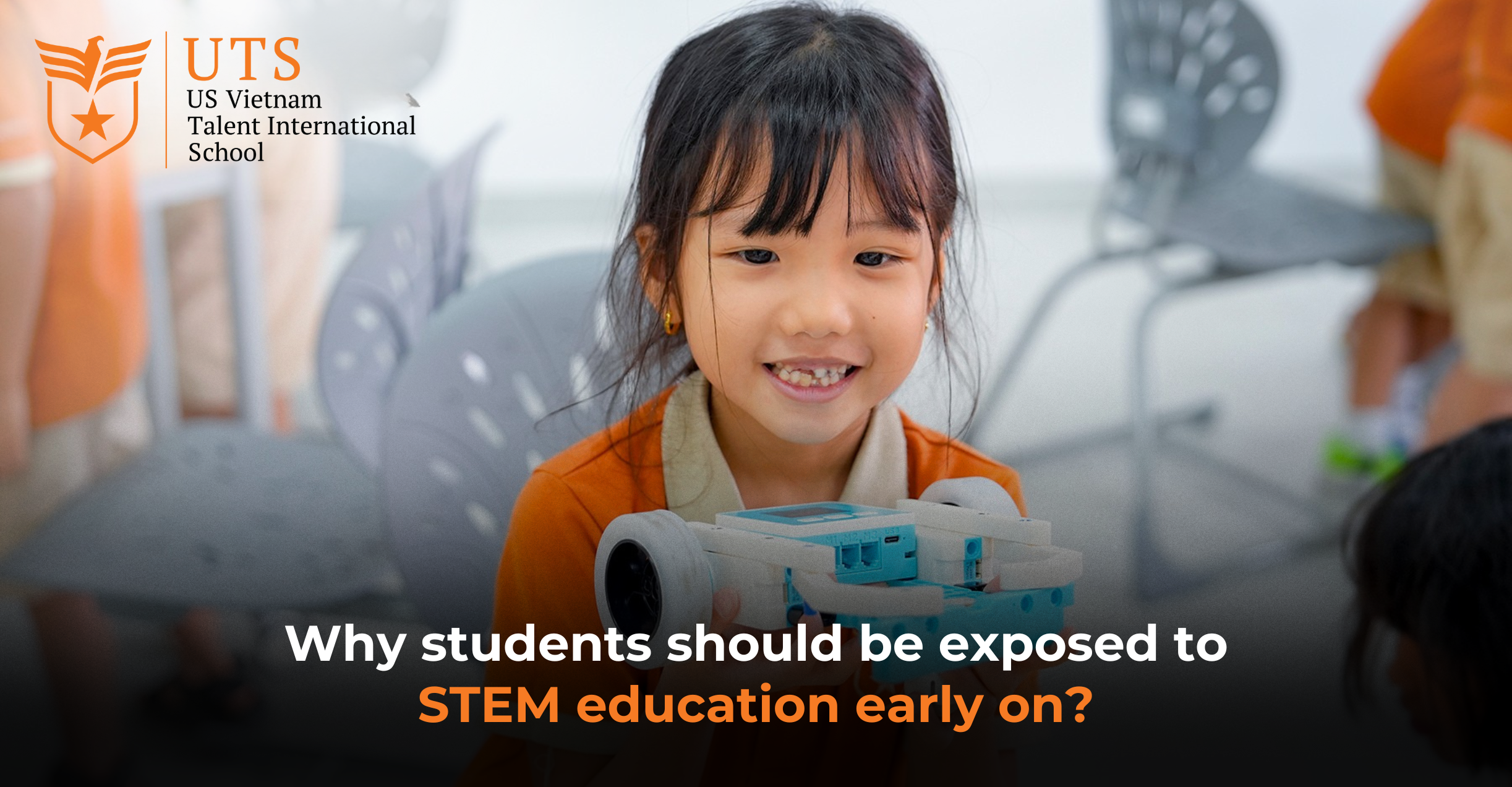
Why students should be exposed to STEM education early on?
News & Events

Why students should be exposed to STEM education early on?

In an era of rapid technological development, equipping students with critical thinking, creativity, and problem-solving skills is more essential than ever. STEM education is the key to helping the younger generation adapt and thrive in the future. At UTS, STEM is not only an academic component but a comprehensive educational approach that enables students to apply knowledge in real life, nurture a love of learning, and build global citizenship from an early age. What is STEM Education? STEM education is an integrated teaching philosophy that combines four disciplines: Science, Technology, Engineering, and Mathematics. This multidisciplinary approach equips students with practical knowledge and skills, in contrast to traditional academic teaching methods. STEM encourages students to apply interdisciplinary knowledge to solve real-world problems and situations. STEM connects theoretical knowledge with real-life application Why is STEM education important for your child’s future? In a world constantly transformed by technology, STEM education has become a foundational element to help children adapt and develop. Early exposure to STEM not only helps them understand the connection between academic knowledge and daily life but also prepares them with a strong foundation for entering future career paths. Below are the key benefits STEM education offers students in the 21st century: Developing practical problem-solving skills STEM goes beyond abstract concepts by focusing on real-life application. Students are encouraged to analyze situations, ask questions, experiment, and find solutions—critical thinking skills that help them proactively and flexibly respond to various challenges. Students practice analyzing situations and seeking solutions Fostering unlimited creativity STEM education empowers students with multidimensional thinking by encouraging them to approach problems from different perspectives. Instead of learning theory alone, students participate in hands-on activities such as model design, robotics programming, and scientific projects. These experiences enhance critical thinking, imagination, and creativity, which is essential for thriving in a
Vietnam’s Mark – A journey of heart and pride in the nation
News & Events

Vietnam’s Mark – A journey of heart and pride in the nation

On April 25, 2025, at the Trinh Cong Son stage, UTS students performed the emotional arts program “Vietnam’s Mark” to celebrate April 30 – the Liberation of the South and the reunification of the country. Concluding with a choral performance of the same name, they sent a powerful message: The younger generation of UTS pledges to live with ideals, contribute, and preserve the bloodline of Lac Hong flowing strongly in every heartbeat of the new era.   100% of elementary school students participated, each contributing to the final product. Through this, they developed confidence, a spirit of contribution, teamwork skills, and a sense of pride in showcasing Vietnamese identity on stage.   Specially, the entire ticket sales revenue – 46,300,000 VND – was contributed to the UTS Impact Fund, as a practical lesson on social responsibility and compassion. The students learned that even small efforts can make a positive impact on the community.   Beyond national pride, UTS students also nurture the aspiration to reach out to the world – developing, learning constantly to become global citizens carrying the essence of Vietnam. This is the journey of integration but not assimilation, reaching high but always staying grounded.   Proud to be Vietnamese!
Project “Talented Bridge-Building Architect” at UTS
News & Events

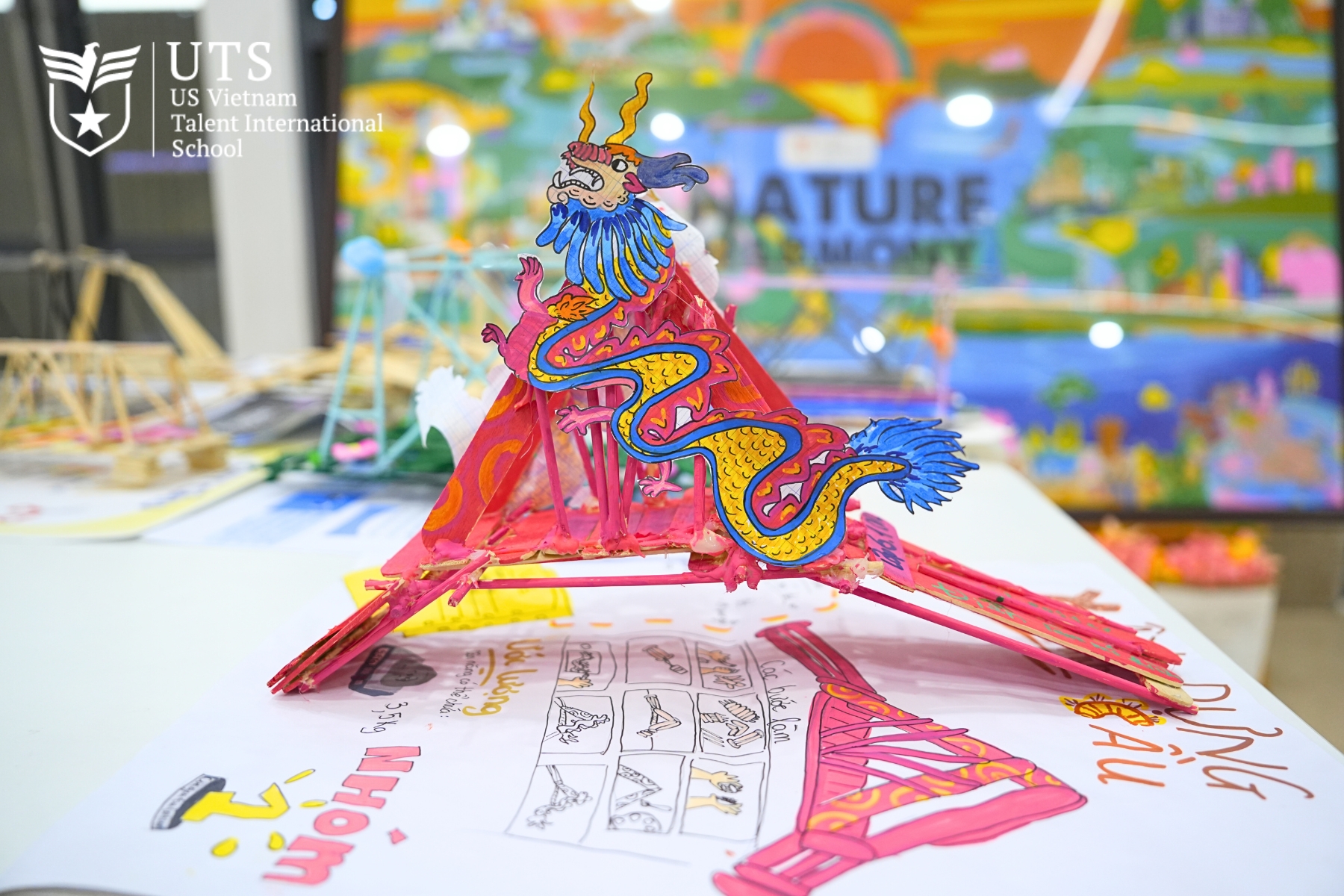
Project “Talented Bridge-Building Architect” at UTS

The 6th-grade UTS-ers have completed the bridge-building challenge in the “Talented Architect Contest,” showcasing their creativity and design skills. From the initial sketches to the final structure, they collaborated to conceptualize and construct a durable bridge model.   Beyond just “building,” they also tested durability, made improvements, and added aesthetic touches to ensure their projects met both functional and artistic standards. This was a great opportunity for them to develop technical thinking, teamwork skills, and apply STEM knowledge in practice.