
News
News & Events
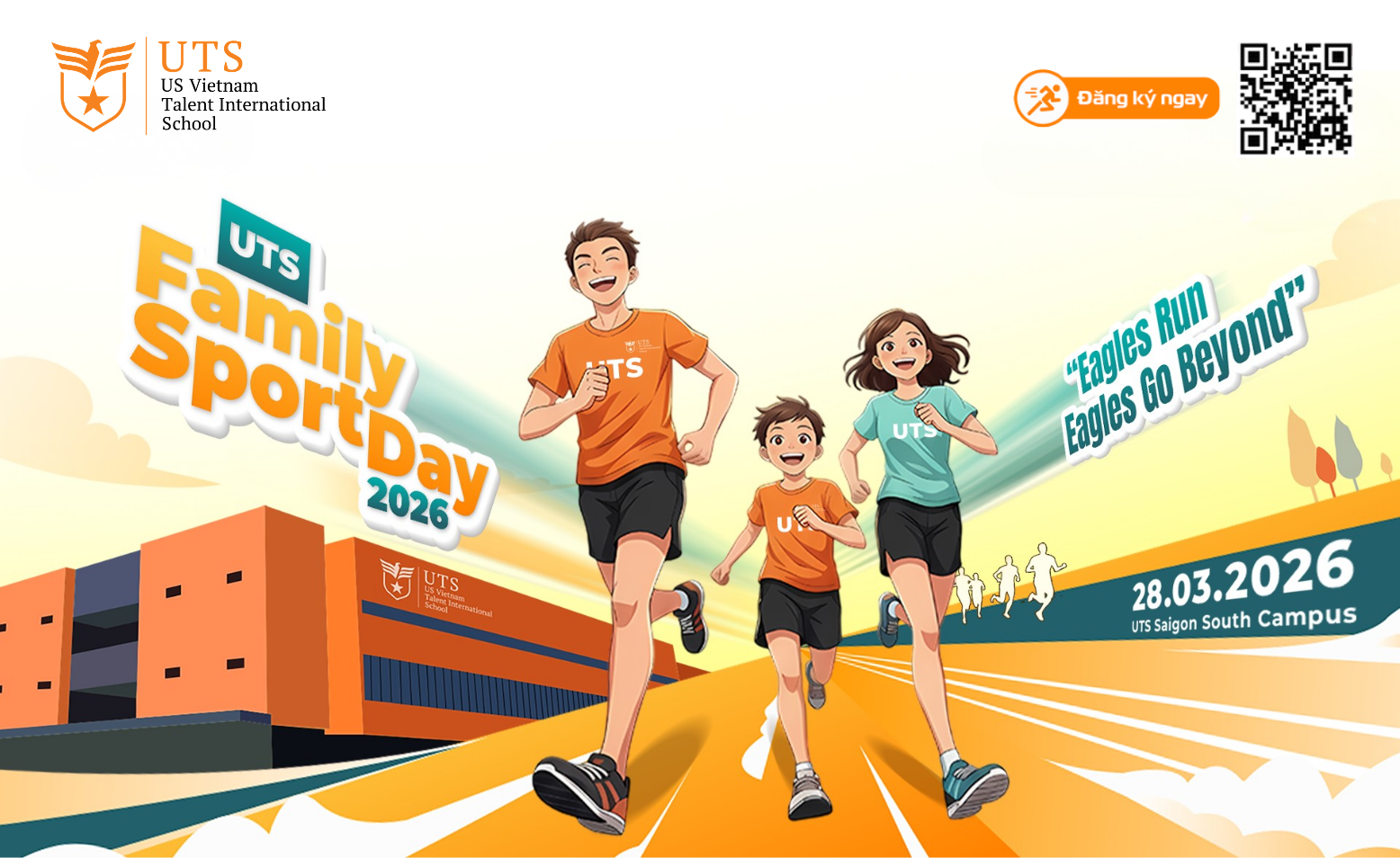
UTS Family Sport Day 2026 “Eagles Run, Eagles Go Beyond” officially returns
The annual UTS Family Sport Day 2026 will bring a vibrant celebration where families can run together and connect with the UTS community.
News & Events
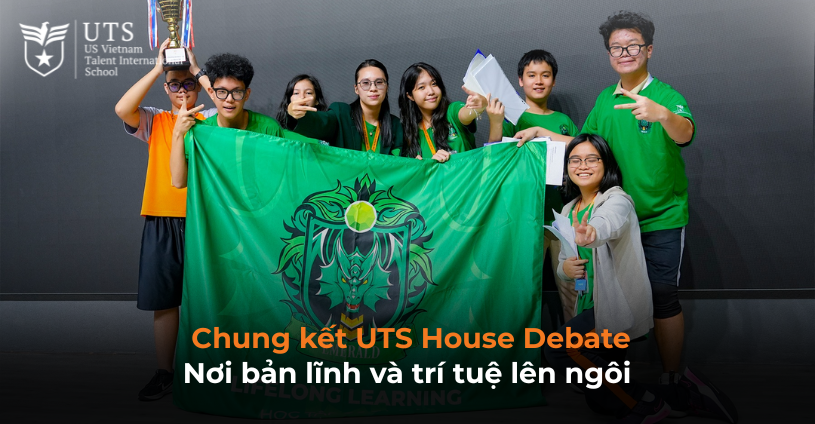
UTS House Debate Finals – Where courage and wisdom shine
The UTS House Debate has reached its thrilling conclusion with the grand finale held last weekend. This intellectual arena provided UTS-ers with a platform to express their perspectives on globally relevant topics through the three-member debate format. UTS House Debate – A platform for students across the whole school After an intense qualifying round among six Houses, Sapphire – Topaz (Primary) and Citrine – Emerald (Secondary) demonstrated outstanding performance, earning their place in the final round of UTS House Debate, competing in both English and Vietnamese categories. Covering topics related to economy, environmental protection, and sustainable development, this debate challenged participants to not only construct sharp arguments but also to think on their feet, strategize with teammates, and build a strong foundation of knowledge. Students discuss globally relevant and trending topics In the end, with compelling arguments and persuasive delivery, Sapphire (Primary) & Emerald (Secondary) emerged victorious. Sapphire and Emerald Houses claimed the championship title at UTS House Debate 2025 More than just a competition, UTS House Debate is a stage where UTS-ers sharpen their intellect, develop critical thinking skills, and enhance their ability to collaborate effectively as a team. Through each debate, they gain new perspectives and gradually grow into global citizens — bold in thought, confident in speech, and ready to take action to drive change. Learning to listen, reason, and better understand the world through debate Congratulations to all House members who participated in the UTS House Debate Finals! Let’s relive the unforgettable moments and look forward to more exciting activities with UTS House.
News & Events
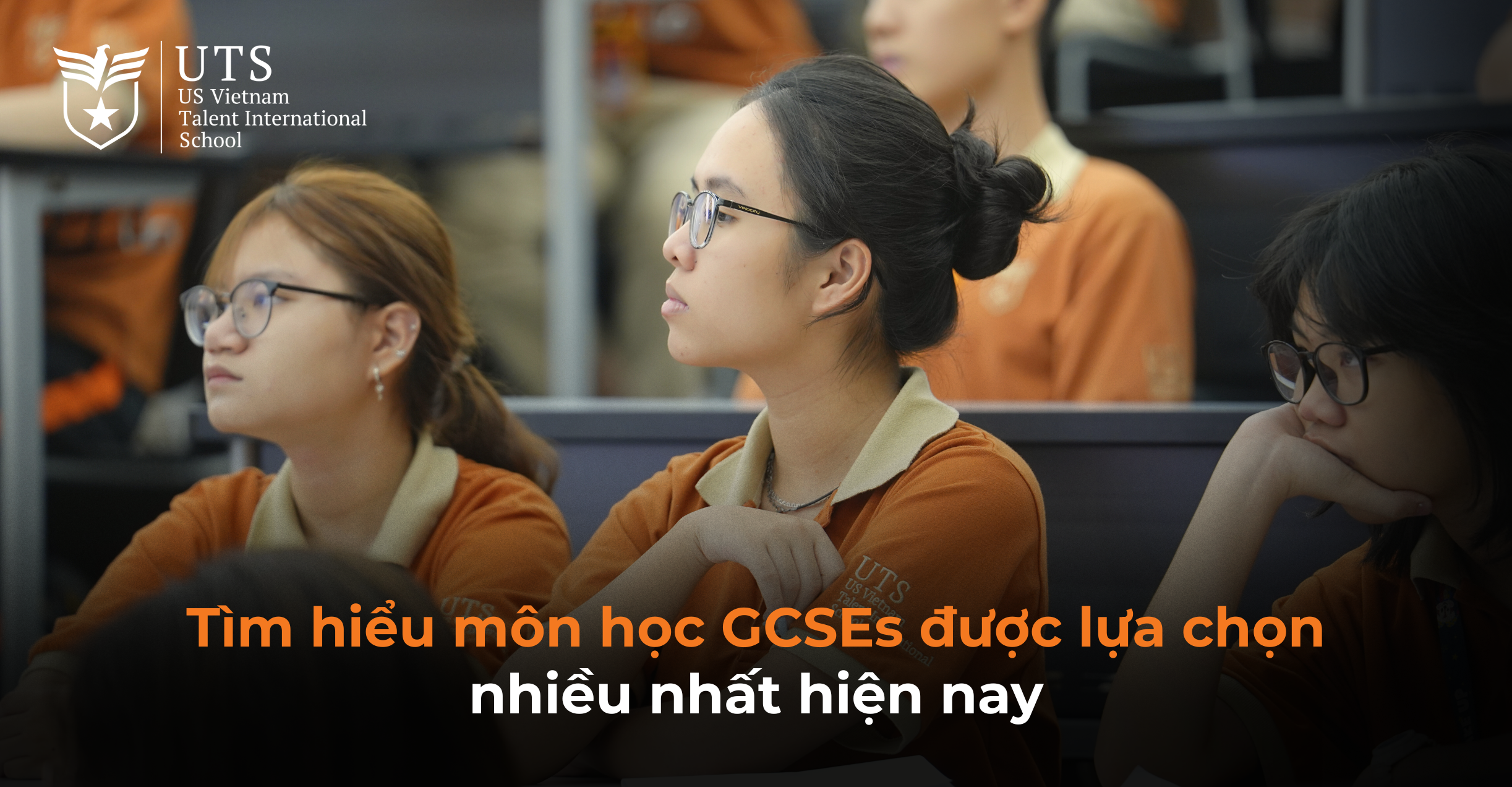
Discover the most popular GCSEs Subjects chosen today
The GCSEs (General Certificate of Secondary Education) are among the most important academic programs for secondary school students in the UK. Choosing the right GCSE subjects not only helps students build on their strengths but also plays a crucial role in shaping future careers and study abroad opportunities. This article will help parents and students better understand the GCSE program and how to select suitable subjects. What is the GCSE Program? GCSEs are a key part of the UK education system, typically taken over two years from Year 9 to Year 11. The program is designed to build a strong academic foundation and foster independent thinking skills before students progress to higher education. Begin Your International Academic Path with GCSEs A unique feature of the GCSEs is the combination of core and optional subjects. This structure ensures students receive essential foundational knowledge while also allowing them to explore personal interests and career directions early on. Throughout the program, students develop critical thinking, research, and problem-solving skills through group projects and cross-curricular investigations—essential for both academic and career success. GCSEs are assessed through final exams and internal assessments, depending on the subject. Results are graded from 9 (highest) to 1 and are considered key entry requirements for many international high schools and universities. Core GCSEs Subjects In the GCSEs program, students must study core subjects to ensure a well-rounded education. These include: Mathematics Math helps students develop logic, problem-solving, and analytical thinking. It includes algebra, geometry, probability, and statistics – forming the foundation for fields like science, engineering, finance, and technology. Develop logical thinking and problem-solving skills through Mathematics (illustrative images) English English is split into English Language and English Literature. The Language component focuses on grammar and writing skills through storytelling, poetry, and expressive forms. Literature emphasizes analytical thinking by
News & Events
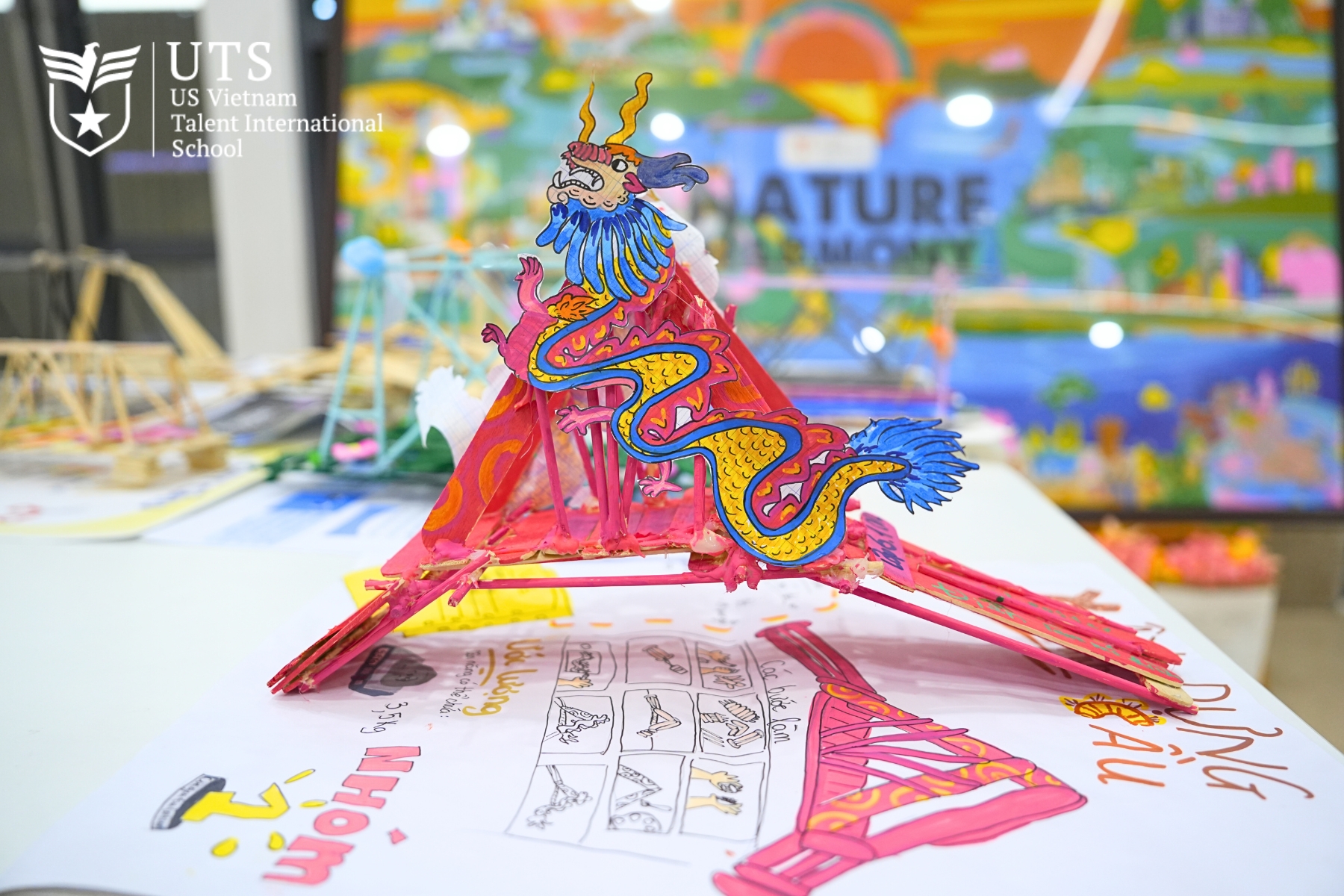
Project “Talented Bridge-Building Architect” at UTS
The 6th-grade UTS-ers have completed the bridge-building challenge in the “Talented Architect Contest,” showcasing their creativity and design skills. From the initial sketches to the final structure, they collaborated to conceptualize and construct a durable bridge model. Beyond just “building,” they also tested durability, made improvements, and added aesthetic touches to ensure their projects met both functional and artistic standards. This was a great opportunity for them to develop technical thinking, teamwork skills, and apply STEM knowledge in practice.