
News & Events
News & Events
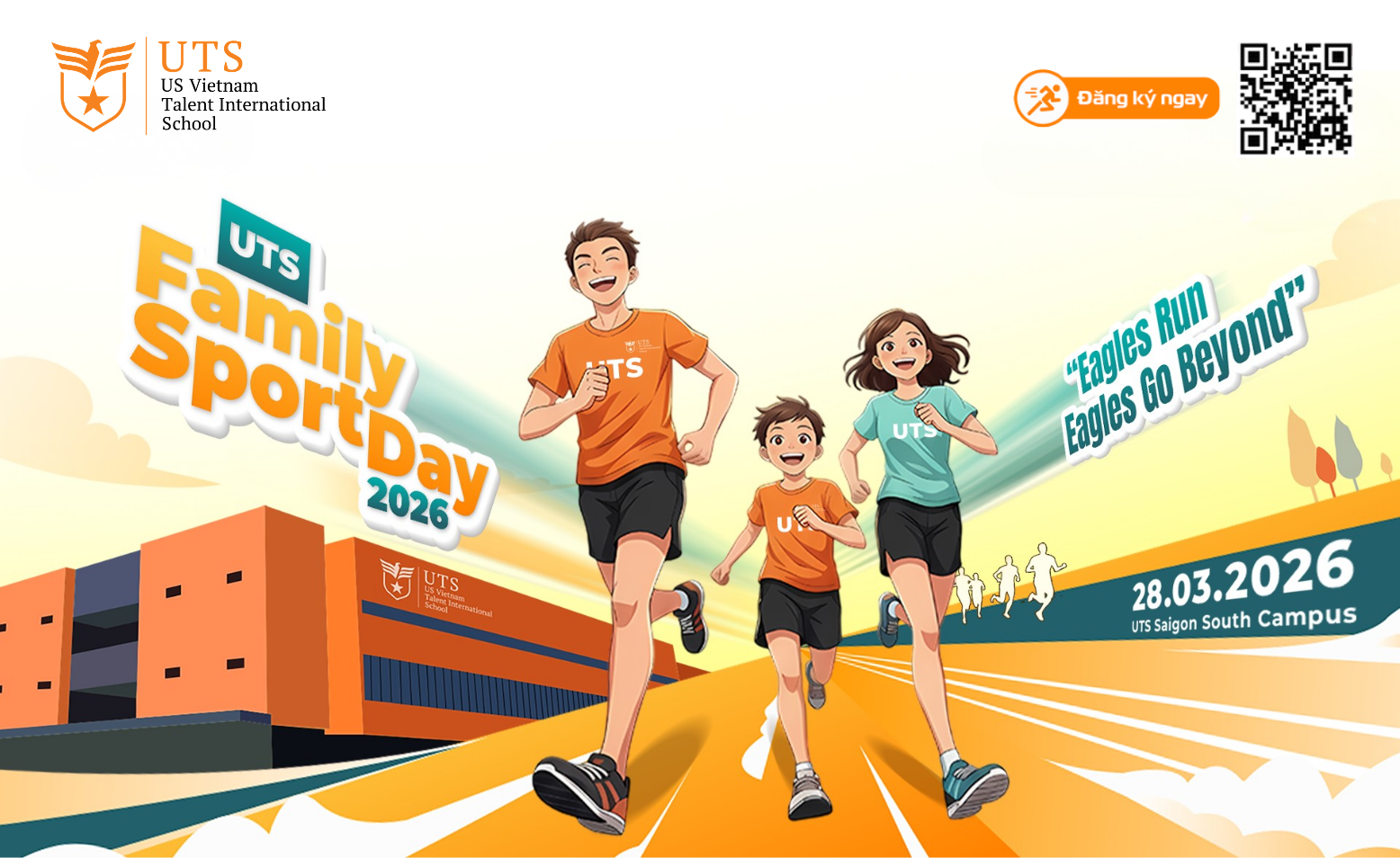
UTS Family Sport Day 2026 “Eagles Run, Eagles Go Beyond” officially returns
The annual UTS Family Sport Day 2026 will bring a vibrant celebration where families can run together and connect with the UTS community.
News & Events
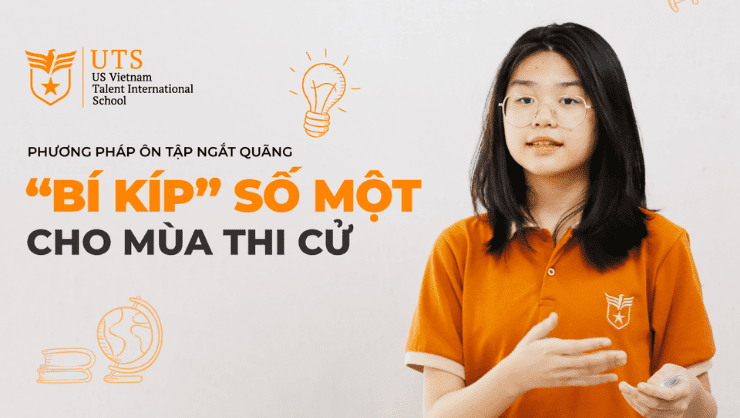
Space repetition method – Best “tips” for the exam season
Exam season has come very close. How far have UTS-ers reviewed? Has anyone ever memorized a lot the night before, only to forget a lot the next morning, leaving us extremely confused while reviewing and also while sitting the exam? UTS has found the “key” to overcome this problem, which is to use the method of spaced repetition. Thanks to this method, we have reviewed almost all the lessons and still remember them for a long time. Let UTS reveal to you a little about the method of spaced repetition. The method of spaced repetition is applied based on the psychological effect of interruption, as defined by Hermann Ebbinghaus, a famous German Psychologist. His research shows that the set of knowledge we learn in a certain period of time will be memorized in people’s short-term memories and quickly forgotten, just like in our review story. But when we repeat the same content many times at different times, our brain will put that amount of information into long-term memory, helping us remember longer. UTS will give a specific example. Normally we need 1 night to learn all the knowledge needed for the next day’s exam, but when using the spaced repetition method, you only need 30 minutes to study in the morning. At noon, 10 minutes of review in the evening, and 10 minutes of re-reading the next morning, in total, we only need about 40 minutes to remember the knowledge clearly, effectively, and long-term. This method can help you memorize a large amount of information and store it for a long time. The spaced repetition method can be applied and is effective in many different subjects and contexts. However, this method has a special impact when used to study and practice language subjects. A concrete example is learning
News & Events
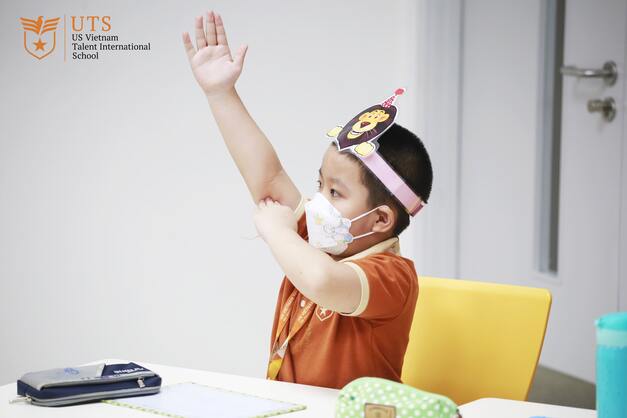
“Ring The Golden Bell” With UTS-ers: Gain More Knowledge And Enjoy The Experience
While other playgrounds in April at UTS have not cooled down, the Primary’s activity named “Ring the Golden bell” to celebrate Hung Kings Commemoration Day has returned. In recent years, “Ring the Golden Bell” has always been regarded as one of the most popular gameshows among UTS students. In this year’s version, students have to find a way to pass the challenge consisting of questions related to the theme of our hometown festival, with knowledge in many subjects such as History and Literatures. They also match some pictures together and color them to create a full and interesting story. UTS hopes that this “play to learn, learn to play” activity will help students to relax and have the opportunity to acquire knowledge in a natural way. Follow us to look back at the most wonderful moments of this activities!
News & Events
Food Waste Project: Protect The Environment From The Smallest Things!
It is estimated that each year, up to 100 million tons of food waste is generated from the processing industry worldwide, and the journey to overcome this is a long and multi-faceted aspect that requires us to be aware of responsibility, patience and commitment to take appropriate and timely actions to save the environment. UTS-ers in Grade 7 have implemented a food waste project which they dedicatedly researched the situation of food waste in the world and Vietnam. Not only that, they also interviewed friends and teachers to gather multi-dimensional views on this issue. At the end of the project, the children demonstrated their reporting skill when making a complete presentation to the whole class about what they had learned and came up with solutions. UTS-ers also spread strong messages on this topic by drawing posters calling for people to sign and promise not to waste food. Take practical action as part of our commitment to the food waste problem. UTS hopes that building learning projects related to environmental issues will help students improve their responsibility towards society and the world around them, thereby forming portraits of global citizens. Let’s take a look the memorable moments in this project!