Discover the most popular GCSEs Subjects chosen today
The GCSEs (General Certificate of Secondary Education) are among the most important academic programs for secondary school students in the UK. Choosing the right GCSE subjects not only helps students build on their strengths but also plays a crucial role in shaping future careers and study abroad opportunities. This article will help parents and students better understand the GCSE program and how to select suitable subjects.
What is the GCSE Program?
GCSEs are a key part of the UK education system, typically taken over two years from Year 9 to Year 11. The program is designed to build a strong academic foundation and foster independent thinking skills before students progress to higher education.
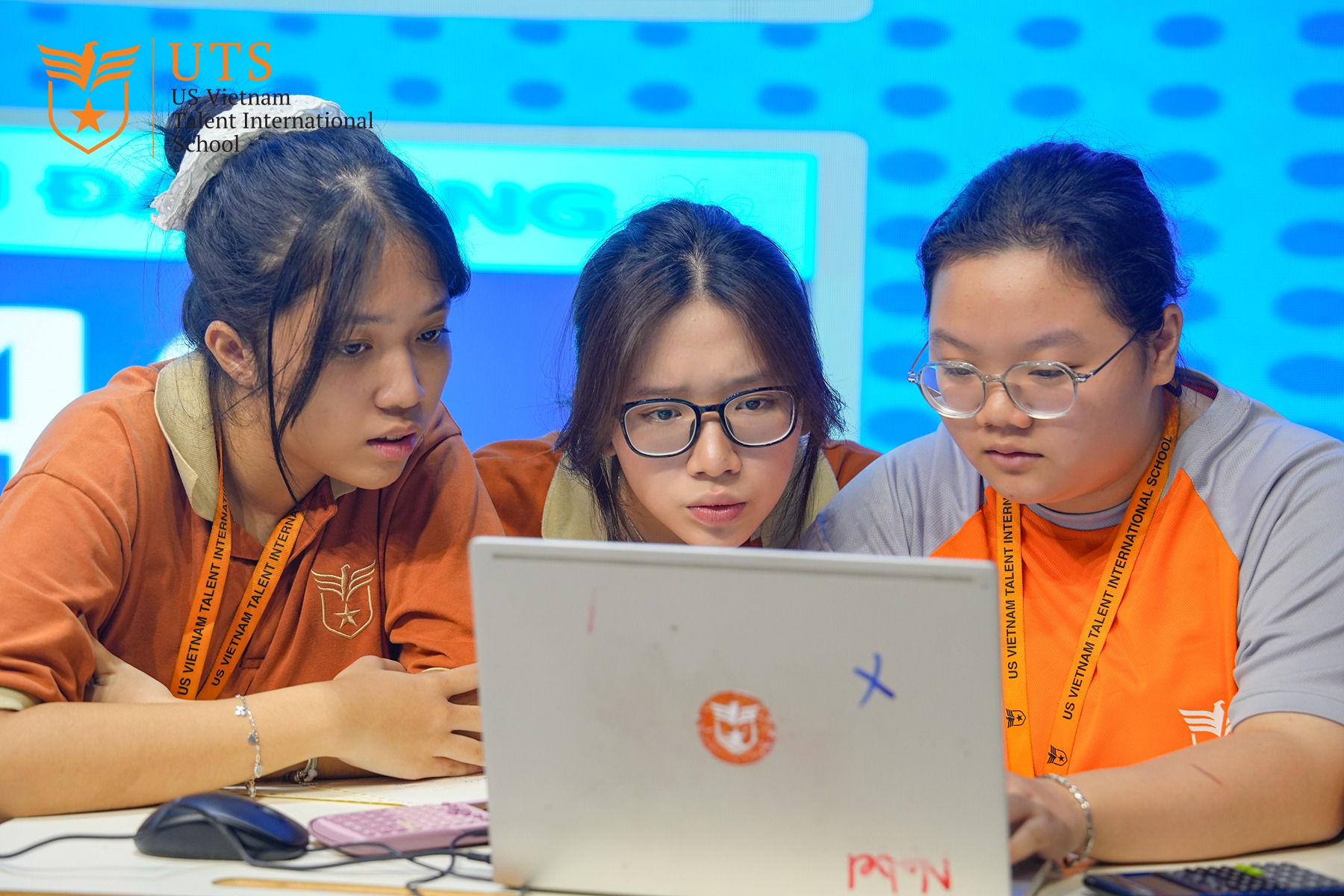
Begin Your International Academic Path with GCSEs
A unique feature of the GCSEs is the combination of core and optional subjects. This structure ensures students receive essential foundational knowledge while also allowing them to explore personal interests and career directions early on. Throughout the program, students develop critical thinking, research, and problem-solving skills through group projects and cross-curricular investigations—essential for both academic and career success.
GCSEs are assessed through final exams and internal assessments, depending on the subject. Results are graded from 9 (highest) to 1 and are considered key entry requirements for many international high schools and universities.
Core GCSEs Subjects
In the GCSEs program, students must study core subjects to ensure a well-rounded education. These include:
Mathematics
Math helps students develop logic, problem-solving, and analytical thinking. It includes algebra, geometry, probability, and statistics – forming the foundation for fields like science, engineering, finance, and technology.
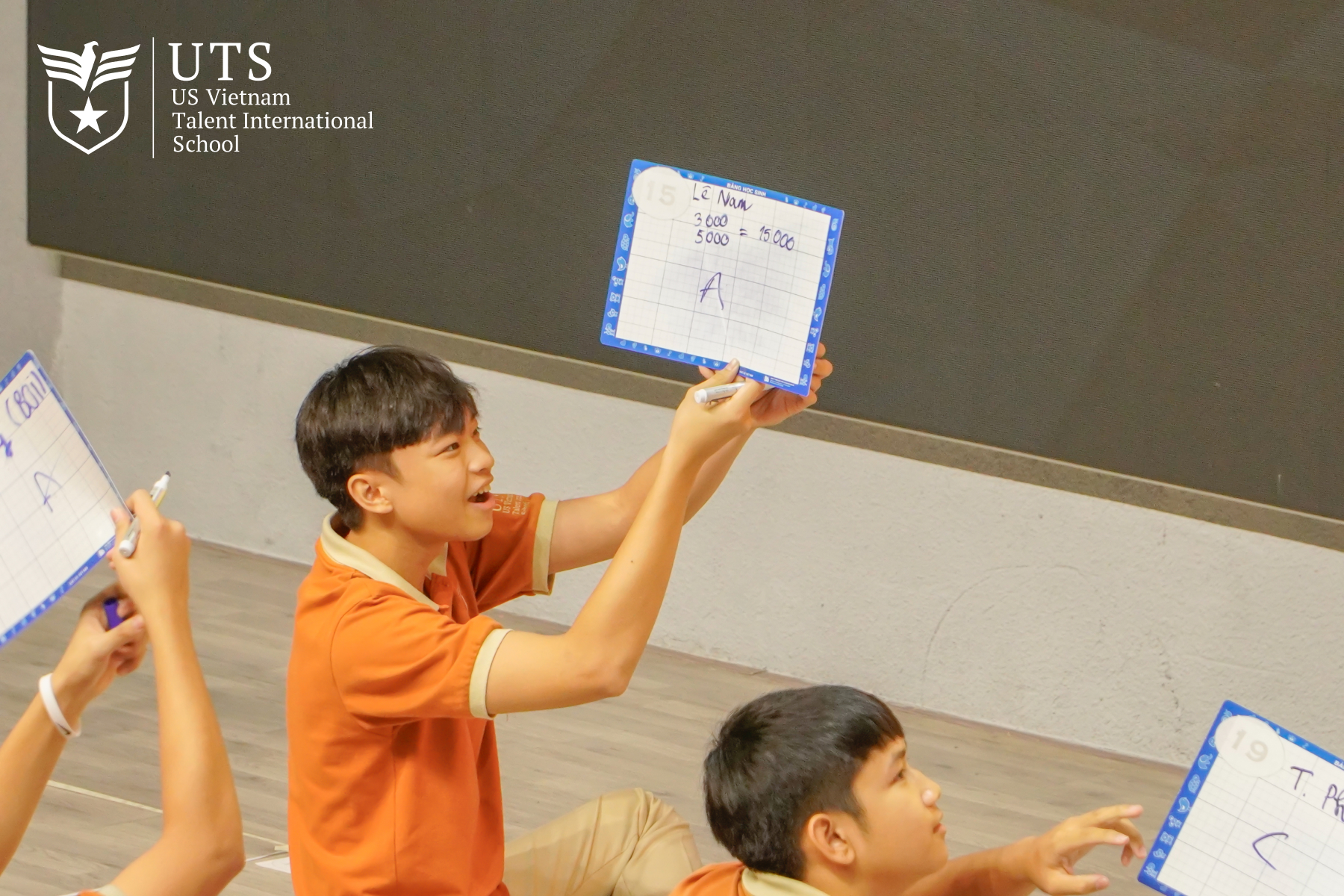
Develop logical thinking and problem-solving skills through Mathematics (illustrative images)
English
English is split into English Language and English Literature. The Language component focuses on grammar and writing skills through storytelling, poetry, and expressive forms. Literature emphasizes analytical thinking by exploring classic literary works.
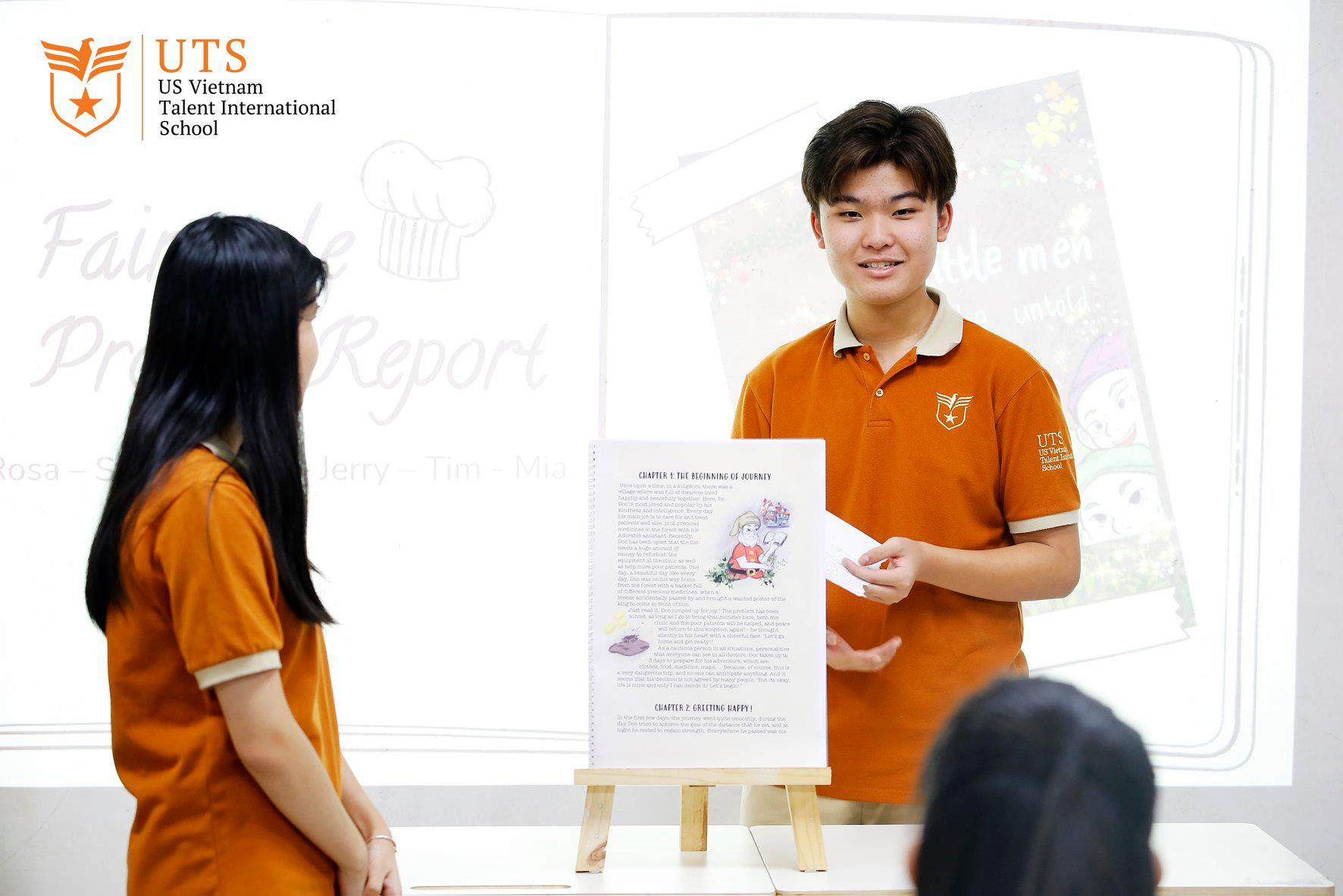
Students develop communication and literary analysis skills through English studies (Illustrative image)
Combined Science
Students can take either Combined Science (a blend of Biology, Chemistry, and Physics, earning two GCSEs) or Triple Science (studying each subject separately). Combined Science suits most students, while Triple Science is ideal for those aiming for careers in medicine, engineering, or technology.
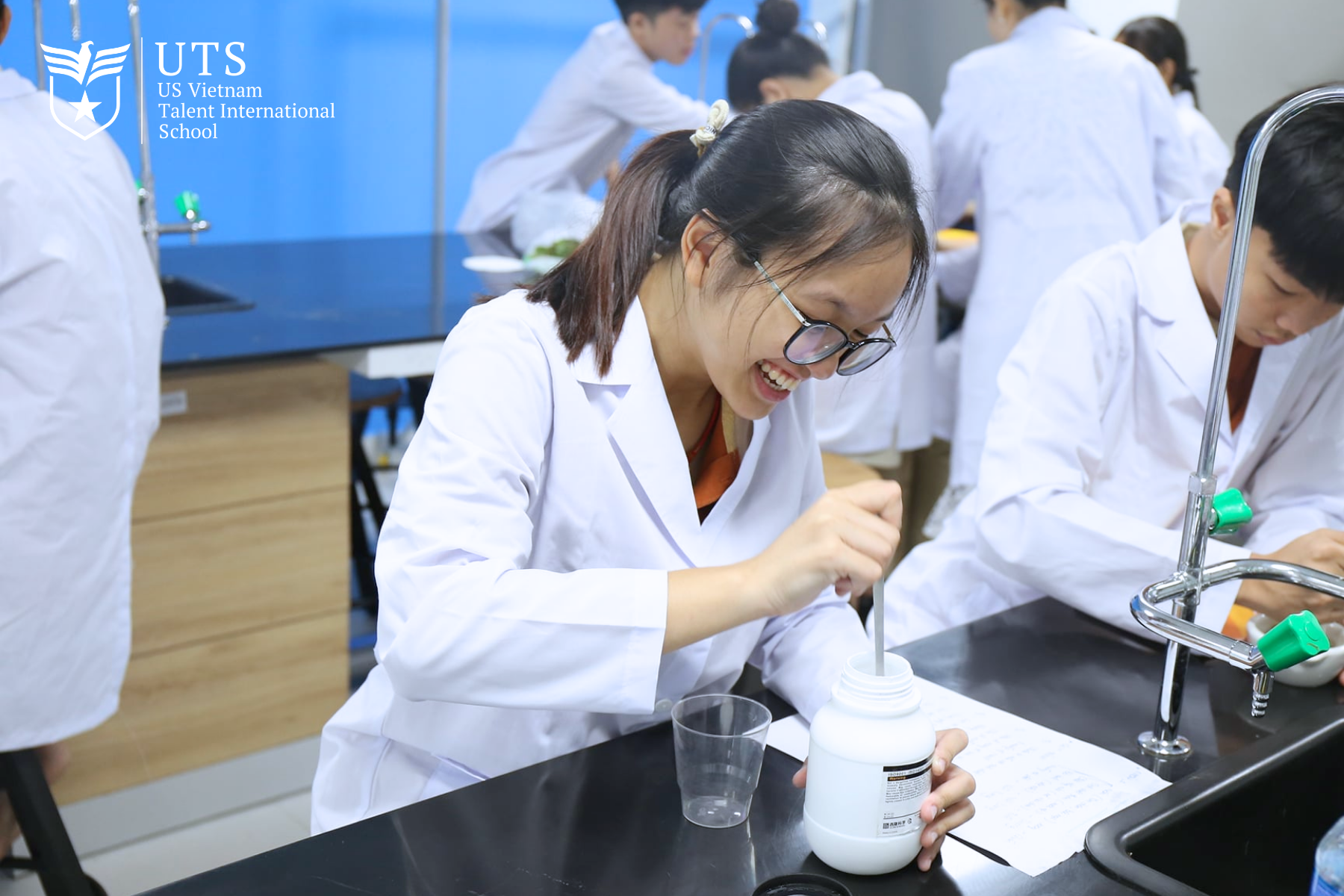
Students engage in hands-on experiments in Combined Science (Illustrative image)
Popular Optional GCSE Subjects
In addition to core subjects, students can choose optional subjects based on personal interests and career goals. While over 60 subjects are recognized in the UK, each school typically offers a curated list suited to its academic strategy and resources. Popular choices include:
Art & Design
Encourages aesthetic thinking, personal expression, and visual creativity through media like drawing, graphic design, and 3D modeling—ideal for students interested in art, fashion design, architecture, or visual media.
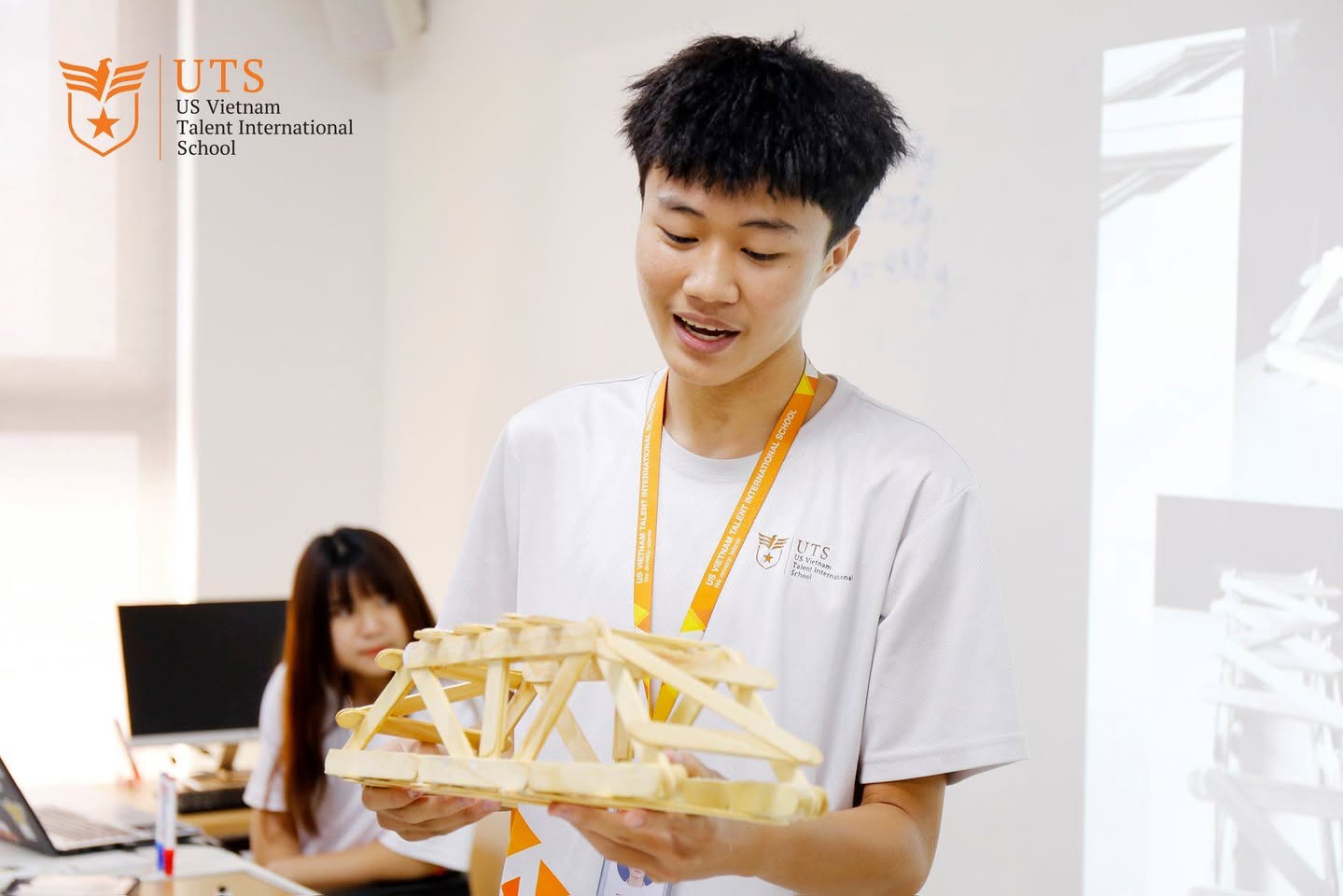
Develop aesthetic thinking through Art and Design (Illustrative image)
Business
Covers foundational knowledge in economics, management, marketing, finance, and accounting. Students learn how businesses operate, analyze markets, and make decisions—great for aspiring entrepreneurs or business professionals.
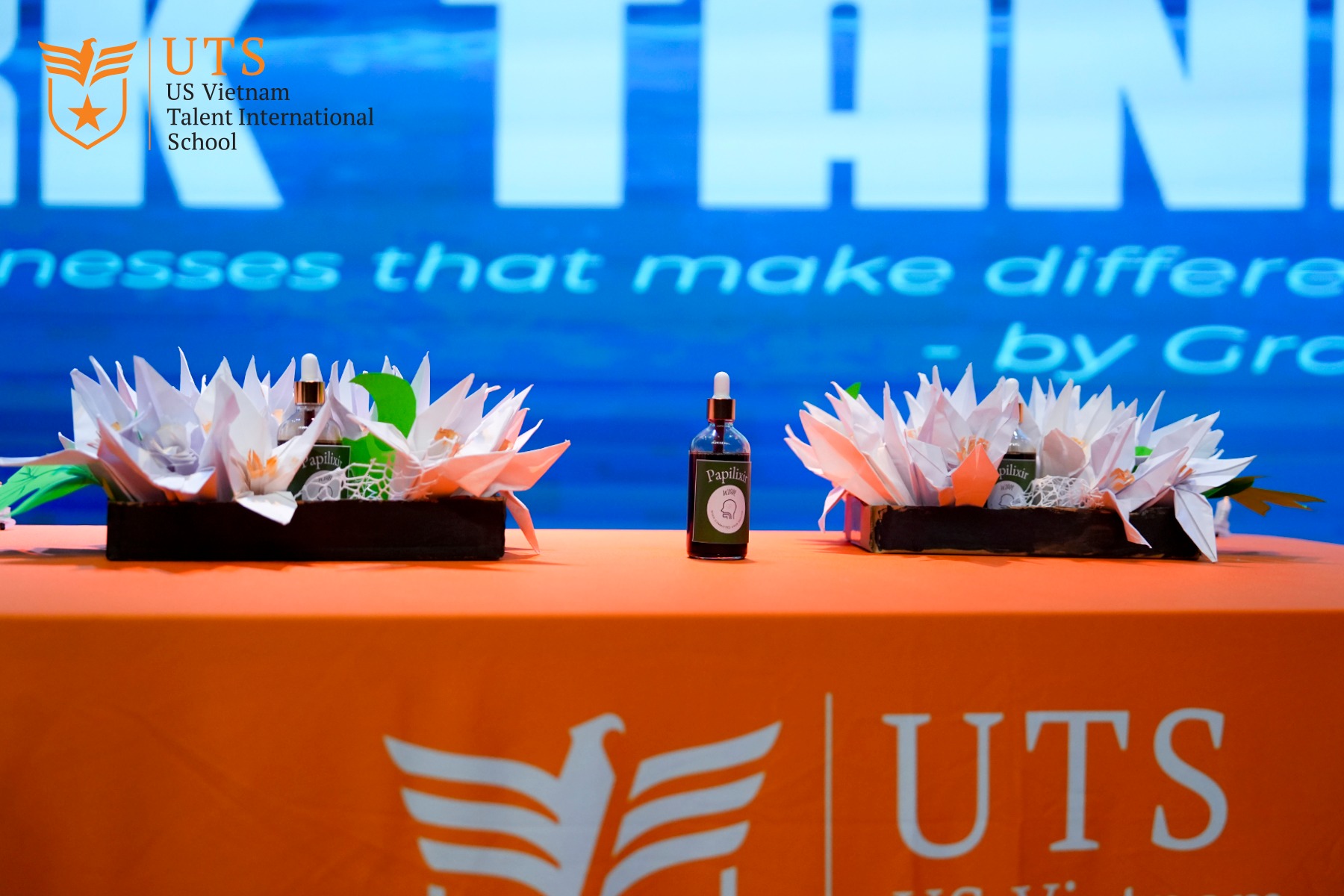
Students carry out simulated projects in Business Studies (Illustrative image).
Computer Science
Equips students with programming, algorithms, data structures, AI, and cybersecurity skills. It develops logical thinking and problem-solving, paving the way for careers like software engineering, data analysis, or cybersecurity.
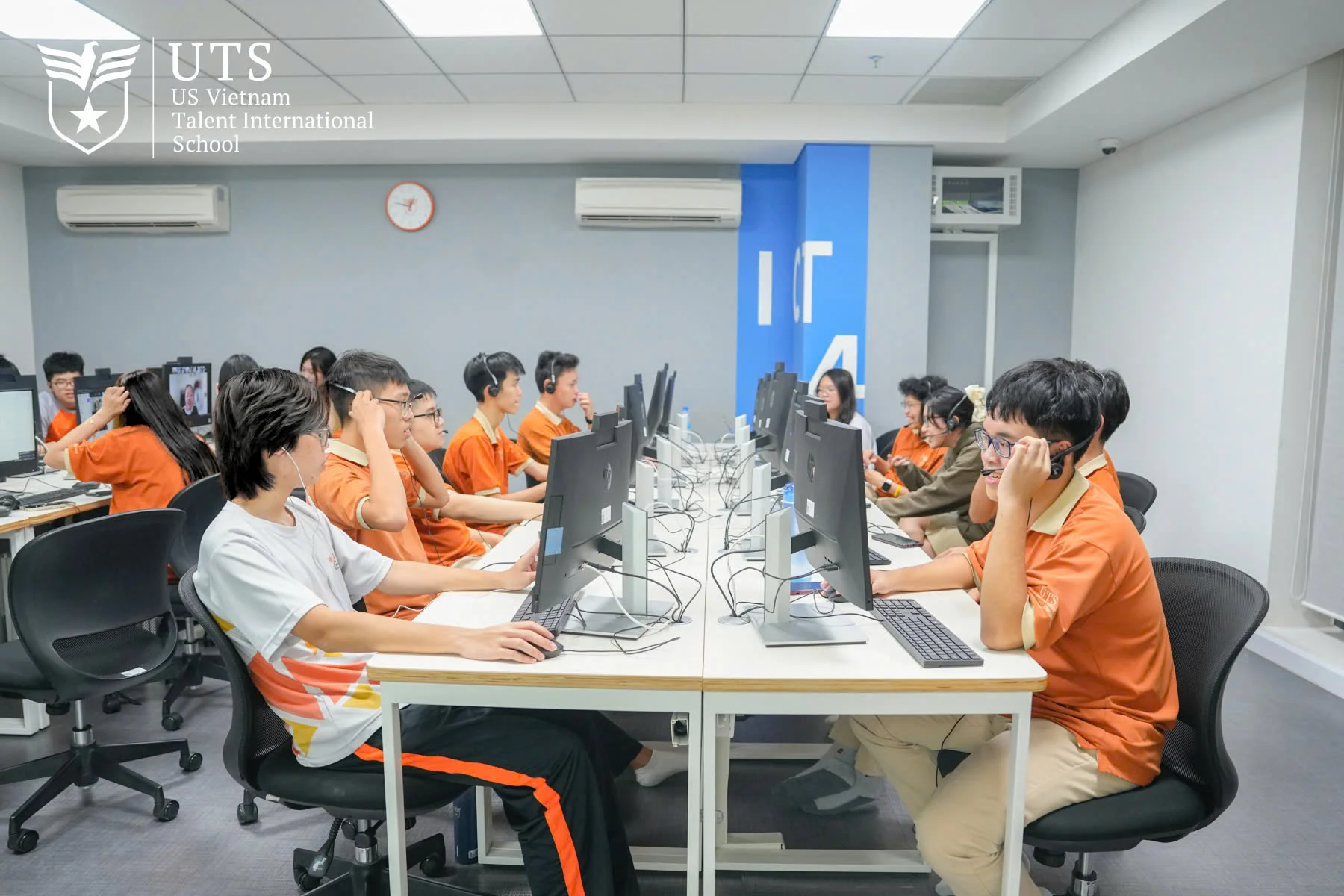
Explore the digital world through Computer Science (Illustrative image)
Economics
Helps students understand how economies function, from basic principles to macroeconomic issues like inflation, unemployment, and globalization. It fosters analytical thinking and policy evaluation skills—useful in finance, data analysis, or public policy.
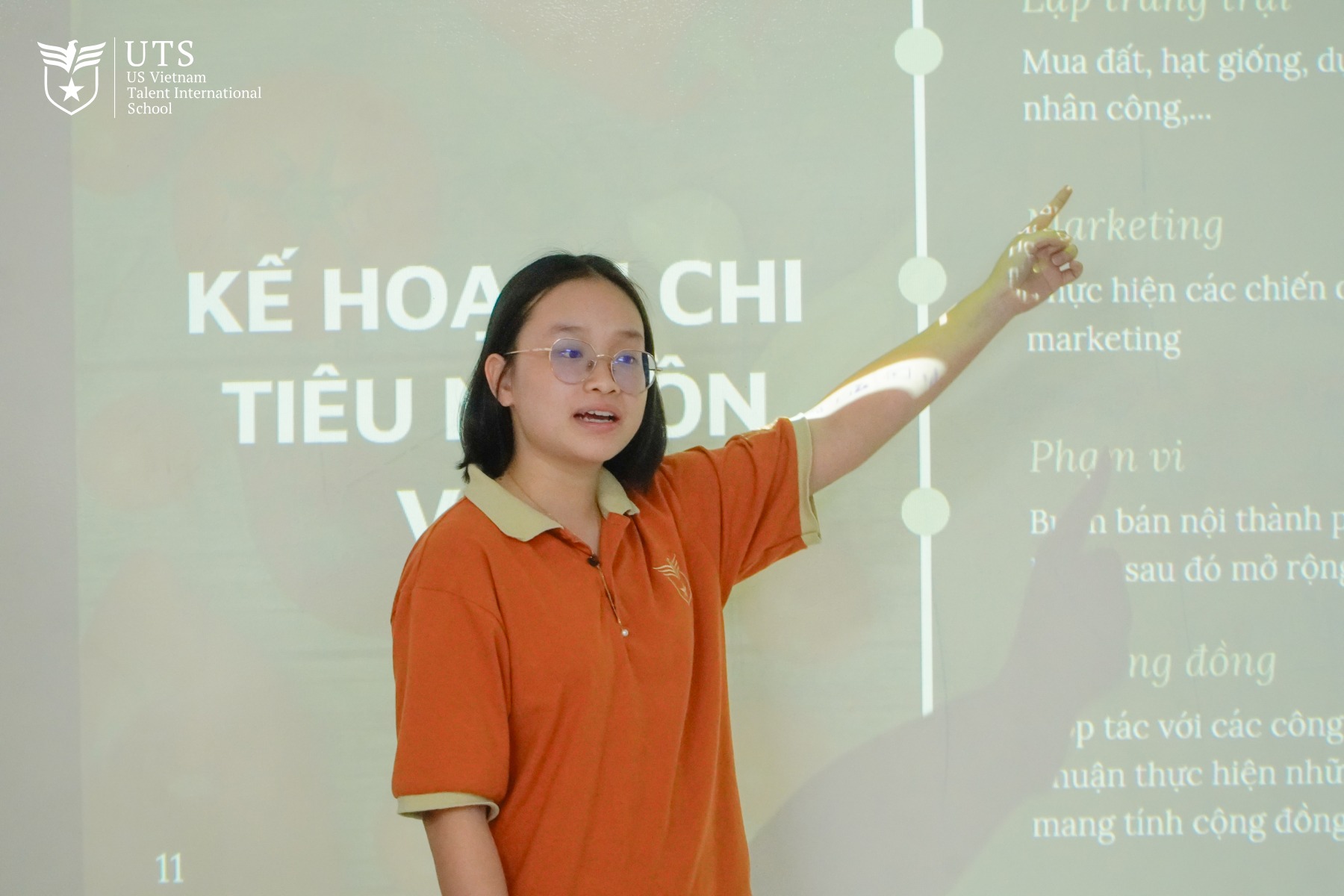
Students analyze socio-economic issues (Illustrative image)
Foreign Languages
Options include French, Spanish, German, or Mandarin—languages widely used in global business and communication. Learning a foreign language enhances communication, cultural understanding, and international career prospects.
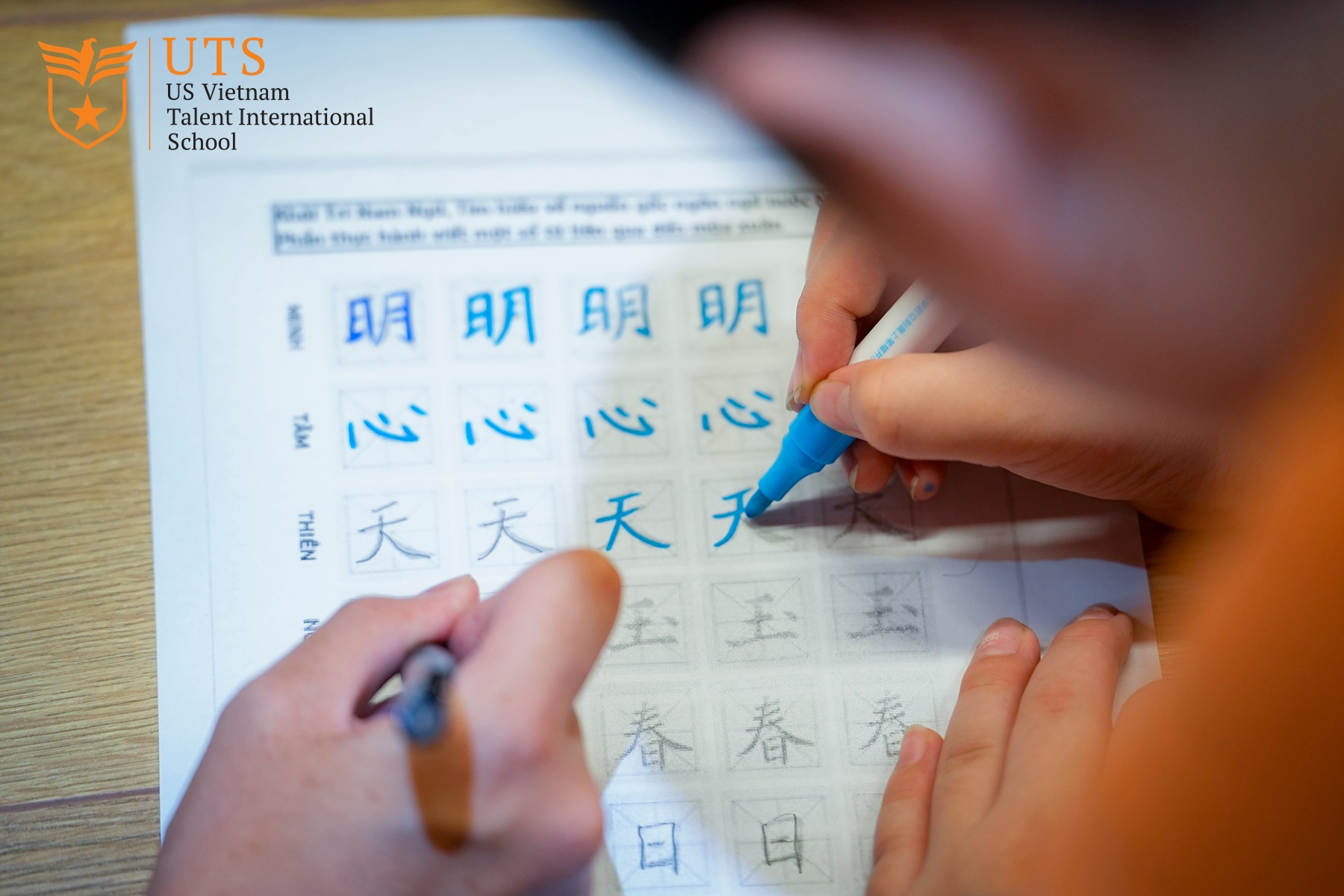
Foreign language studies open up global learning and career opportunities (Illustrative image)
Geography
Combines natural and social sciences to explore topics like climate change, urbanization, and sustainability. Real-world case studies develop data analysis, model interpretation, and systems thinking skills—relevant for environmental and urban planning fields.

Applying geographical knowledge through community-based activities (Illustrative image)
History
More than just memorizing events, history teaches critical thinking, argumentation, and cause-effect analysis. By exploring historical periods and political changes, students gain deeper insights into today’s world—beneficial for careers in law, politics, media, or social research.
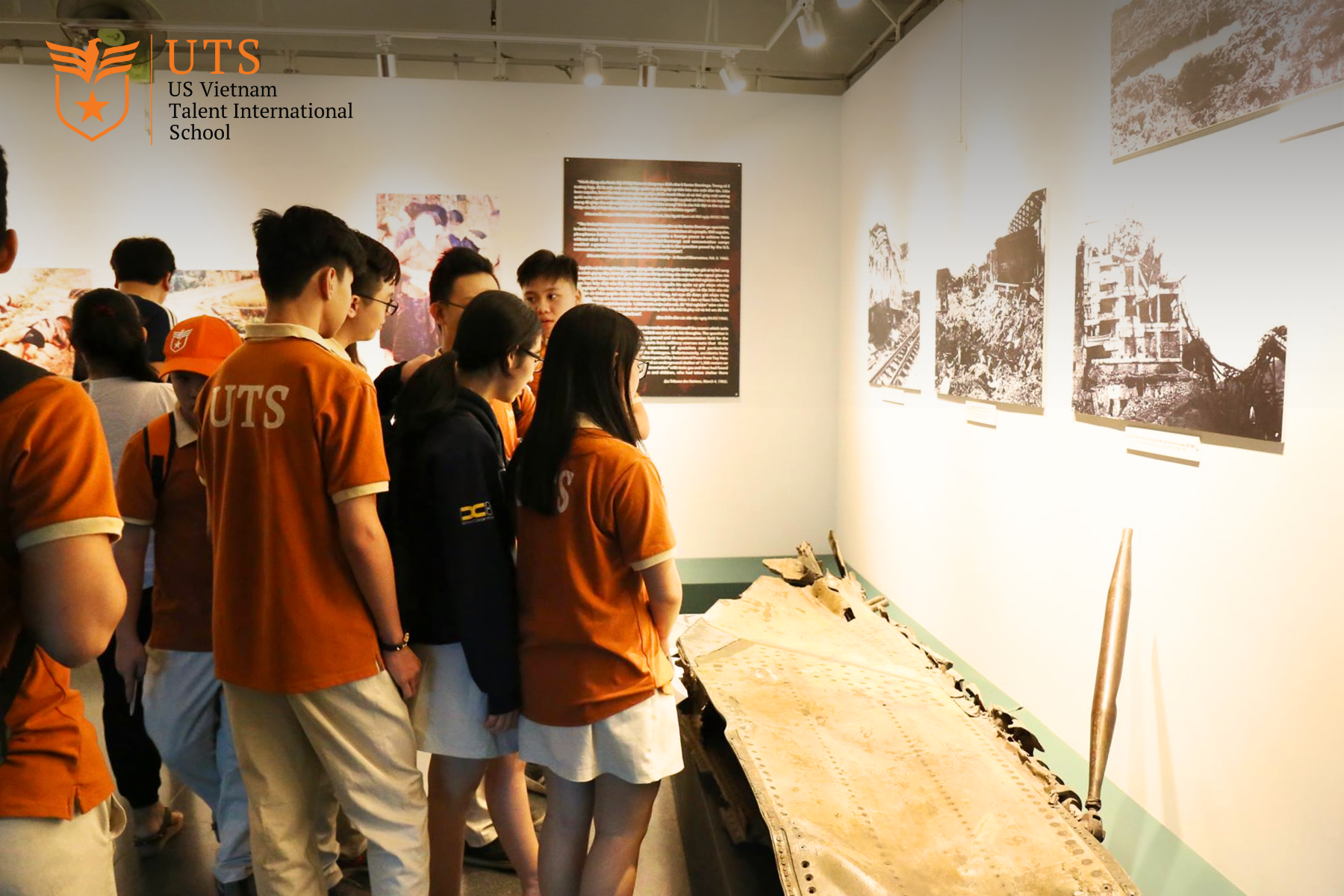
Discover history through excursions to historical and cultural landmarks (Illustrative image).
Music
Supports musical appreciation, creativity, and performance. Students learn theory, instrument skills, composition, and music analysis—suitable for those passionate about music and pursuing artistic careers.
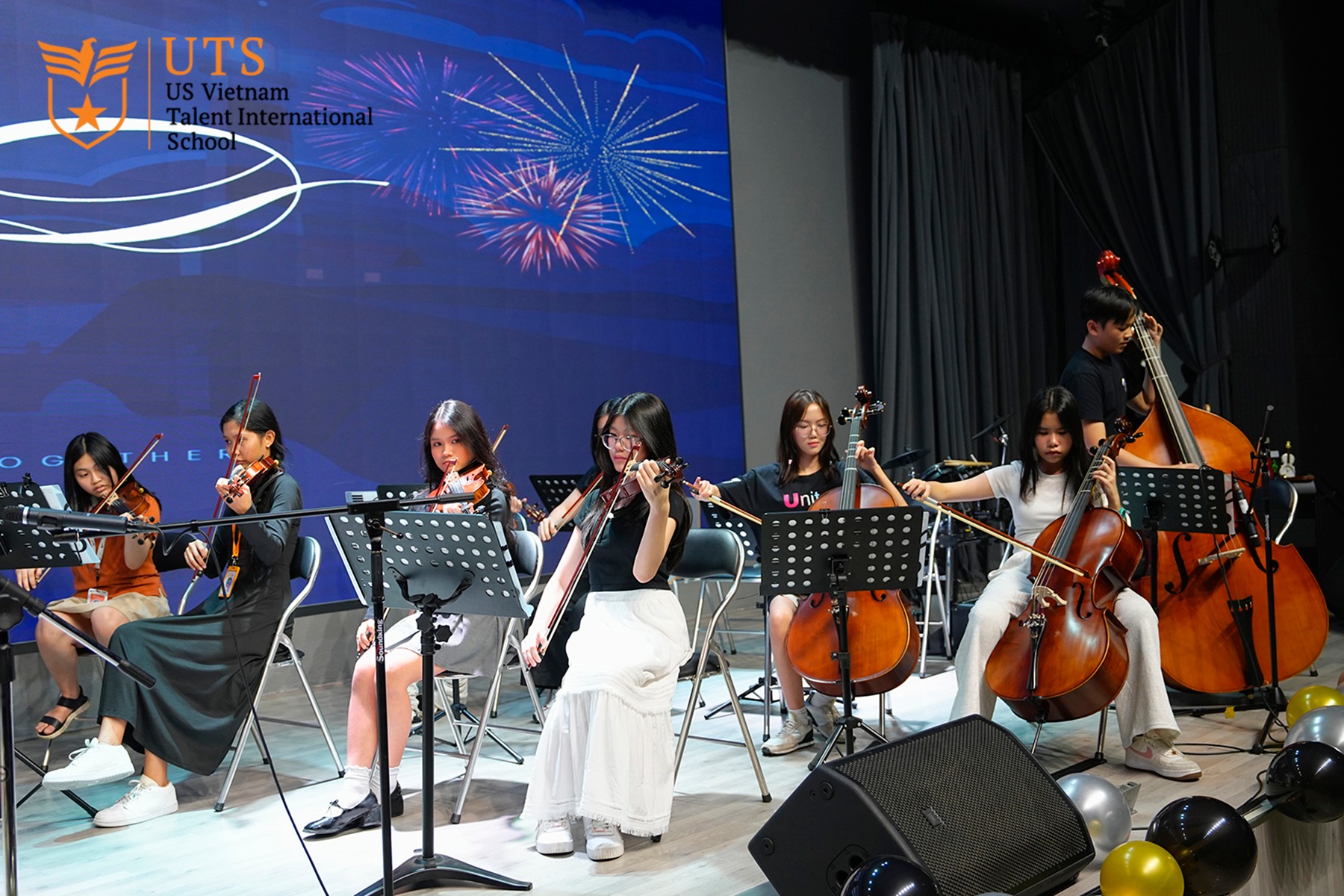
Music helps students develop artistic thinking and performance skills (Illustrative image)
Physical Education (PE)
Focuses on fitness, body mechanics, and sports psychology. Through individual and team activities, students build communication, cooperation, and self-management skills—ideal for those pursuing careers in sports or health sciences.

Physical Education supports students in building health and life skills (Illustrative image).
Tips for Choosing the Right GCSEs Subjects
- Identify your interests, strengths, and academic goals.
- Understand each subject’s content and assessment method.
- Seek advice from teachers, counselors, or parents.
- Choose subjects that align with career or higher education plans.
- Maintain a balance between academic and practical skills-based subjects.
GCSEs Program at UTS – An Ideal Choice for Vietnamese Students
US Vietnam Talent International School – UTS, part of the Van Lang University system with over 30 years of educational experience, is a strategic partner of Oxford University Press—one of the world’s leading educational institutions. Notably, UTS is the first official OxfordAQA exam center in Ho Chi Minh City, offering both teaching and international examinations for GCSEs and A-levels on campus.
With reputable academic partnerships and an internationally standardized education system, UTS offers students a significant advantage when pursuing GCSEs from the secondary level.
International Learning Pathway
As the first OxfordAQA center in HCMC, UTS offers direct access to official Oxford University Press materials, ensuring high academic standards and global learning consistency.
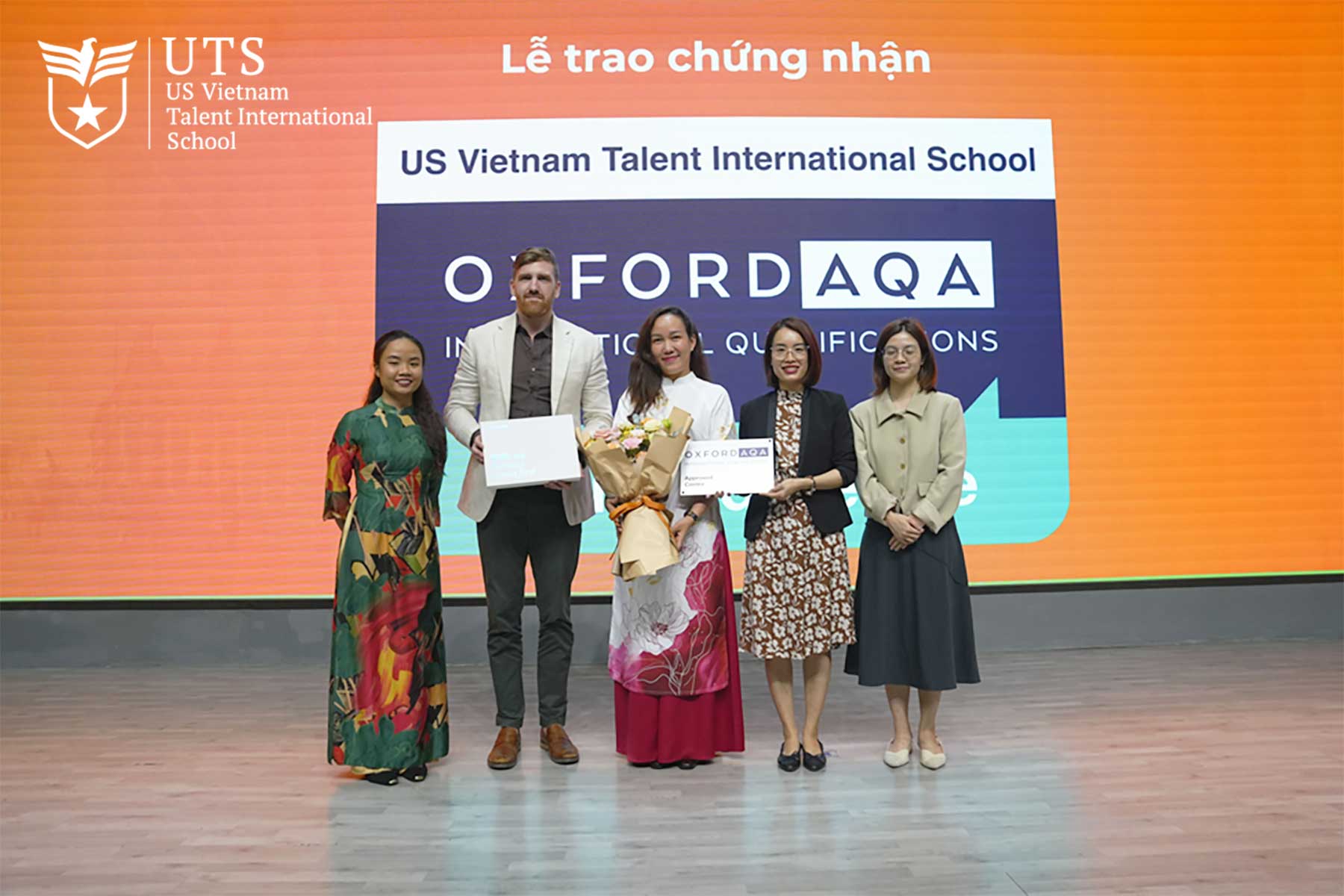
UTS officially becomes the first OxfordAQA test center in Ho Chi Minh City
Starting in the 2025–2026 school year, UTS will offer a complete Oxford educational pathway, from preschool to high school:
- Oxford International Curriculum (OIC): From preschool to Grade 8.
- GCSEs and A-Levels: From Grade 9 to Grade 12, through OxfordAQA, preparing students for top universities worldwide.
See also: Oxford Learning Pathway at UTS
High-Quality Teaching Staff
UTS teachers receive regular training and updates on the latest teaching methods from OxfordAQA. This ensures students receive accurate, modern instruction and helps them reach their full potential, achieve excellent exam results, and prepare for top global universities.
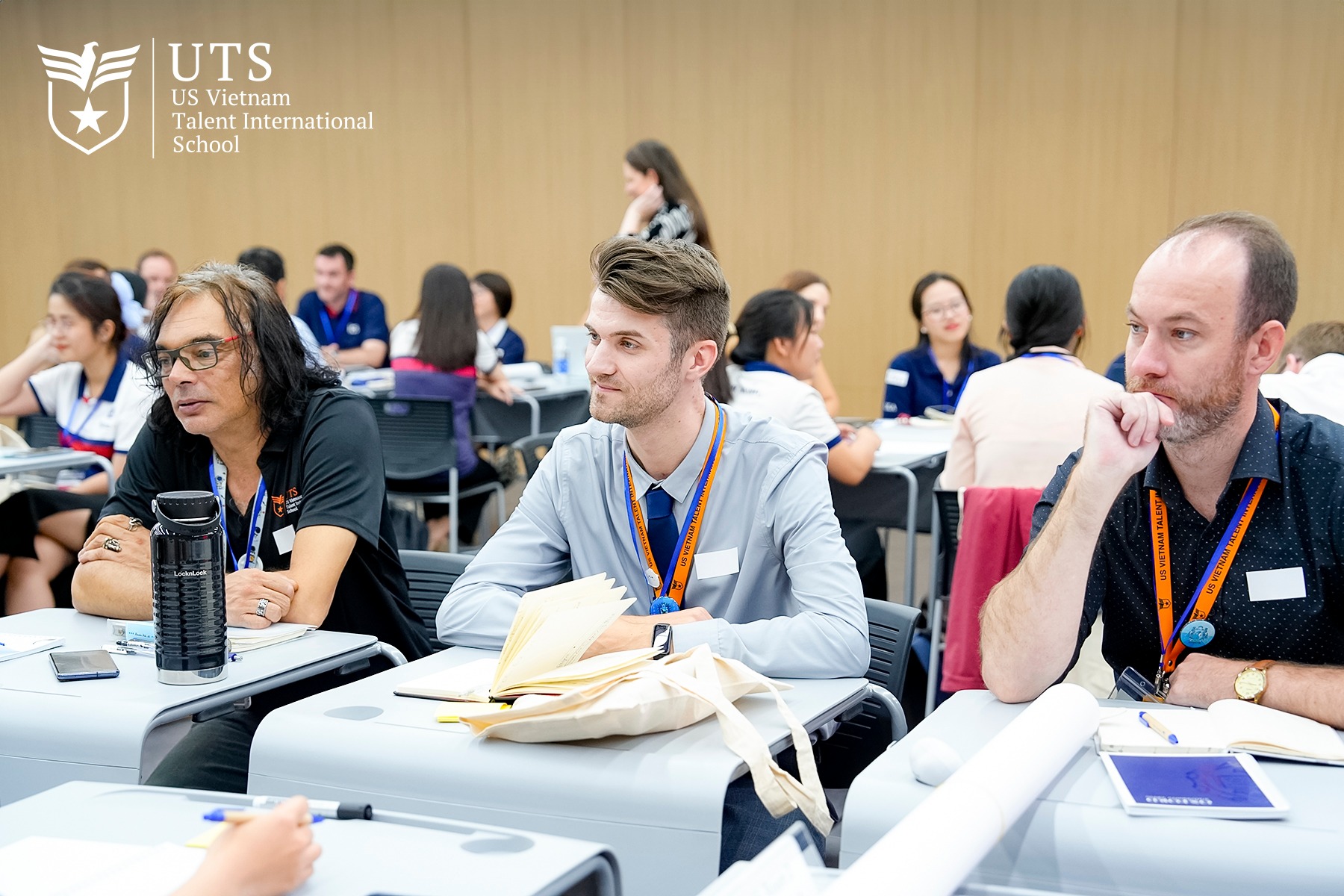
UTS teachers participate in specialized training sessions.
Developing Academic and Holistic Skills
At UTS, GCSEs are not just about academic knowledge. Students also take unique subjects like Wellbeing and Global Skills Project to develop self-study, presentation, critical thinking, collaboration, and problem-solving skills—essential for international learning environments.
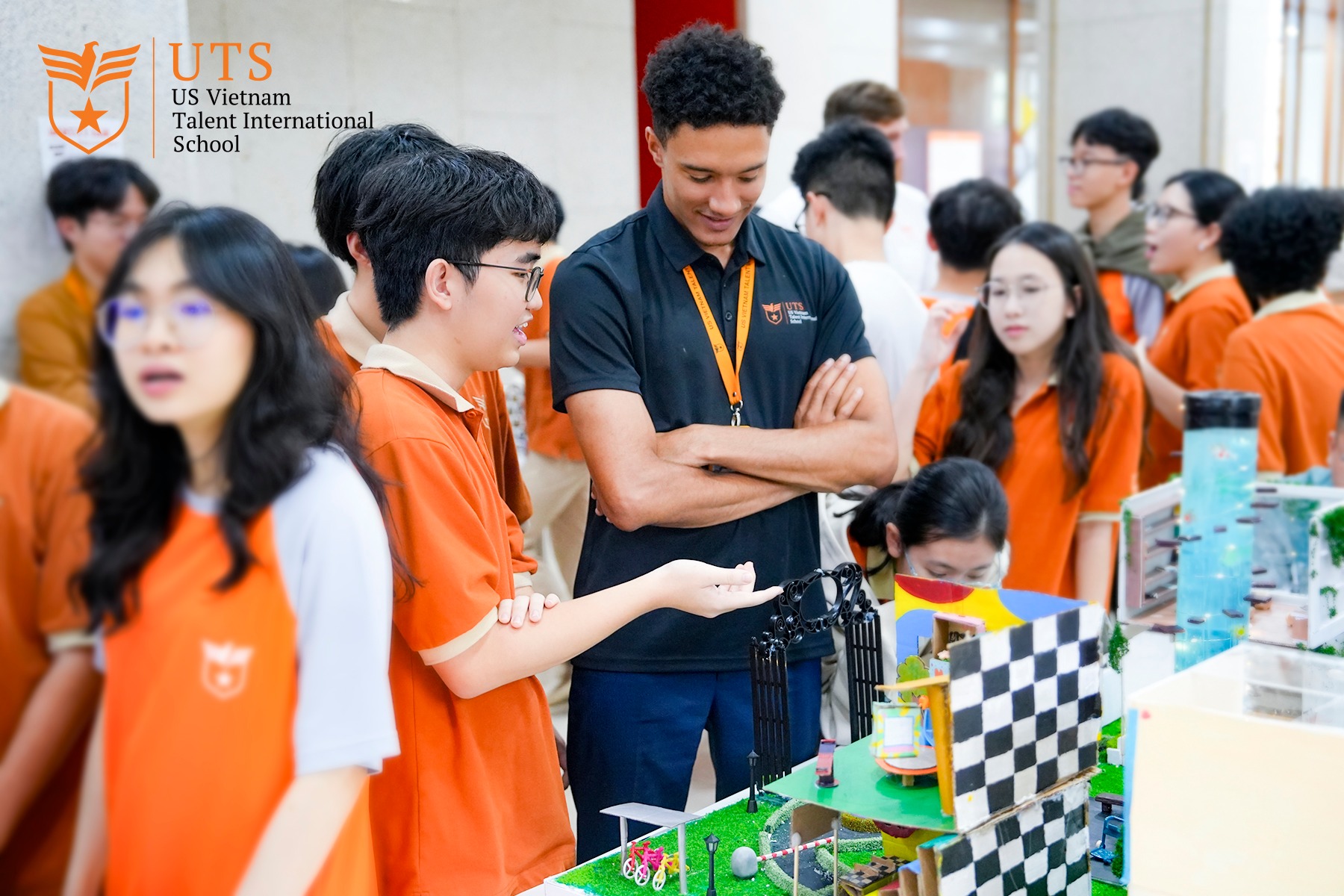
Diverse learning methods and experiences
Individual and group projects connect classroom knowledge to real-world applications, building systems thinking and global citizenship. This foundation empowers students to thrive in an integrated and sustainable world.
Final Tips for Choosing the Right GCSE Subjects
Choosing the right GCSEs subjects is a critical step that directly impacts academic performance and career direction. Students should clearly define their interests, strengths, and long-term goals, such as their desired university major or future profession.

Teachers work closely with students and parents to build a personalized learning journey
They should also understand each subject’s content and assessment format to match their learning style. Don’t hesitate to consult with teachers, academic advisors, or parents, or visit official exam board websites for comprehensive information. A well-balanced subject combination will serve as a solid stepping stone toward international education success.
Conclusion
GCSEs are a vital milestone in a student’s academic and career journey. Choosing the right subjects not only helps students perform better but also opens doors to future opportunities—advanced international programs like A-Levels, study abroad, or applications to prestigious universities.
If you’re looking for a high-quality international learning environment with a solid GCSEs program, come and experience UTS – a place that nurtures global citizens. To learn more about UTS’s international programs, leave your information HERE or call our hotline at (028) 710 78887 today!
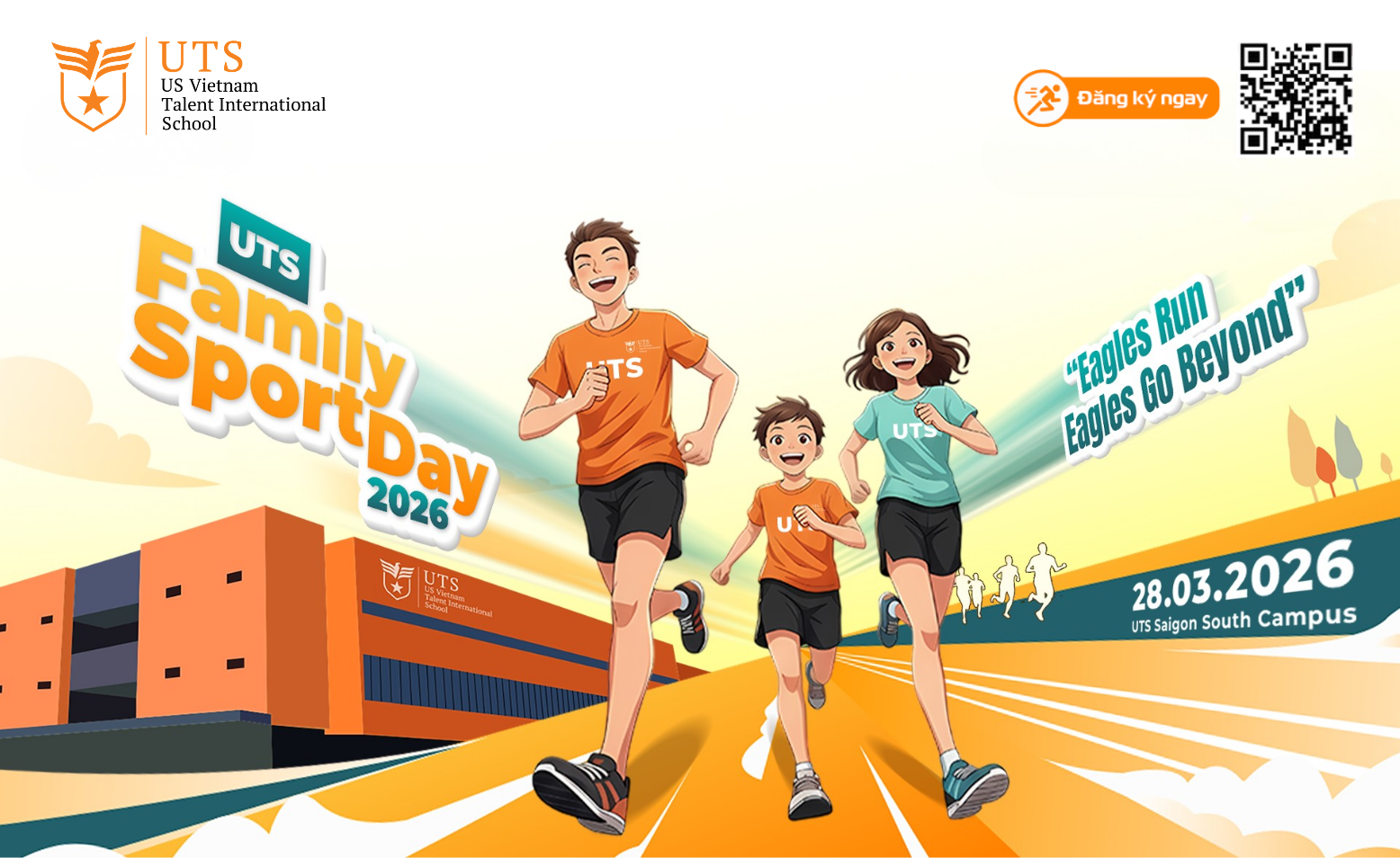
UTS Family Sport Day 2026 “Eagles Run, Eagles Go Beyond” officially returns
Khám phá những môn học đặc biệt tại Trường Quốc tế Nam Mỹ UTS và lợi ích vượt trội cho học sinh
Why students should be exposed to STEM education early on?
Vietnam’s Mark – A journey of heart and pride in the nation